
Deep-sea animals may help maintain mineral-nodule habitats
Seabed observations identify an ecological process relevant to mining assessments
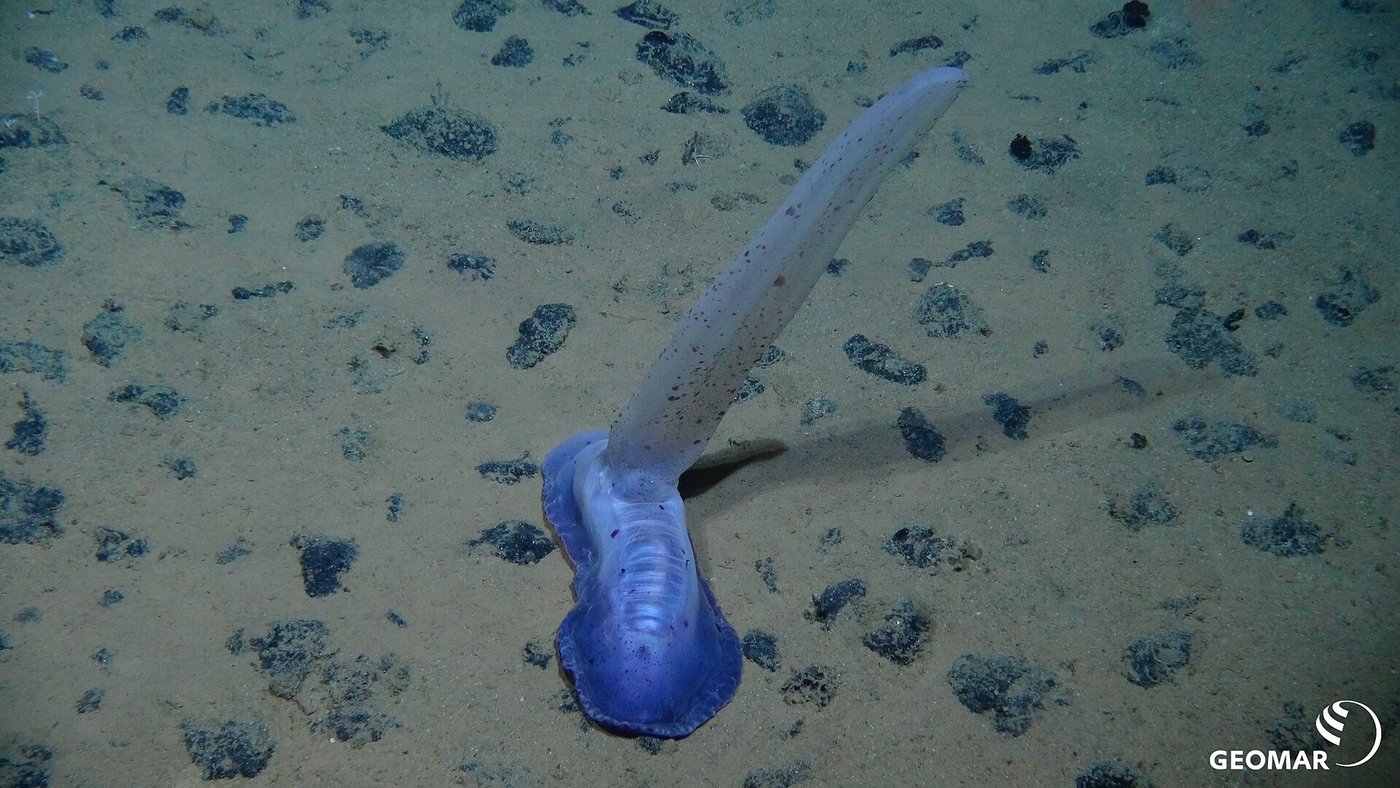
Deep-sea animals may help prevent mineral nodules becoming buried, according to a study led by the National Oceanography Centre. Seabed time-lapse photography recorded sea cucumbers and gastropods removing sediment from nodule surfaces, while animals within the sediment lifted nodules from beneath.
Analysing animal movement, researchers estimated that these activities could extend across the entire study area within one to two decades. Polymetallic nodules form over millions of years and provide habitat for deep-sea species. The findings suggest that disrupting animal communities could also affect processes that keep these habitats exposed.
Why this matters for policymakers
- Impact assessment Mining scrutiny should consider habitat-maintaining processes alongside species counts.
- Monitoring Long-term seabed observations could help establish ecosystem-function baselines.
- Evidence limits Study-area estimates should not be assumed to apply throughout the deep ocean.
Image: Illustrative photograph of a sea cucumber on manganese nodules in the Clarion Clipperton Zone, taken during the separate MiningImpact expedition in 2019, not the reported study. Credit: ROV KIEL 6000, GEOMAR, CC BY 4.0. ROV KIEL 6000, GEOMAR, CC BY 4.0. Resized and converted to JPEG for display.