
Early-warning evidence sharpens climate resilience priorities
COP31 briefing links disaster preparedness with risks to buildings and infrastructure
Disaster-related mortality was about one-sixth as high in countries with more comprehensive early-warning systems, according to a WMO–UNDRR report highlighted in the Royal Meteorological Society’s COP31 briefing. The comparison is an association, not proof that warning systems alone caused the difference. The briefing says 70% of countries report some multi-hazard warning capability, but significant gaps remain.
Published on 12 November, the briefing also cites the Climate Change Committee’s estimate that 6.3 million properties in England are in areas at risk of flooding, potentially rising to around 8 million by 2050. It connects warnings with communication, local preparedness and adaptation of buildings and infrastructure.
Why this matters for policymakers
- Preparedness Our analysis: assess warning coverage alongside communities’ capacity to act.
- Infrastructure Our analysis: scrutinise how investment and building standards incorporate future climate risks.
- International support Our analysis: examine warning-system gaps when allocating resilience assistance.
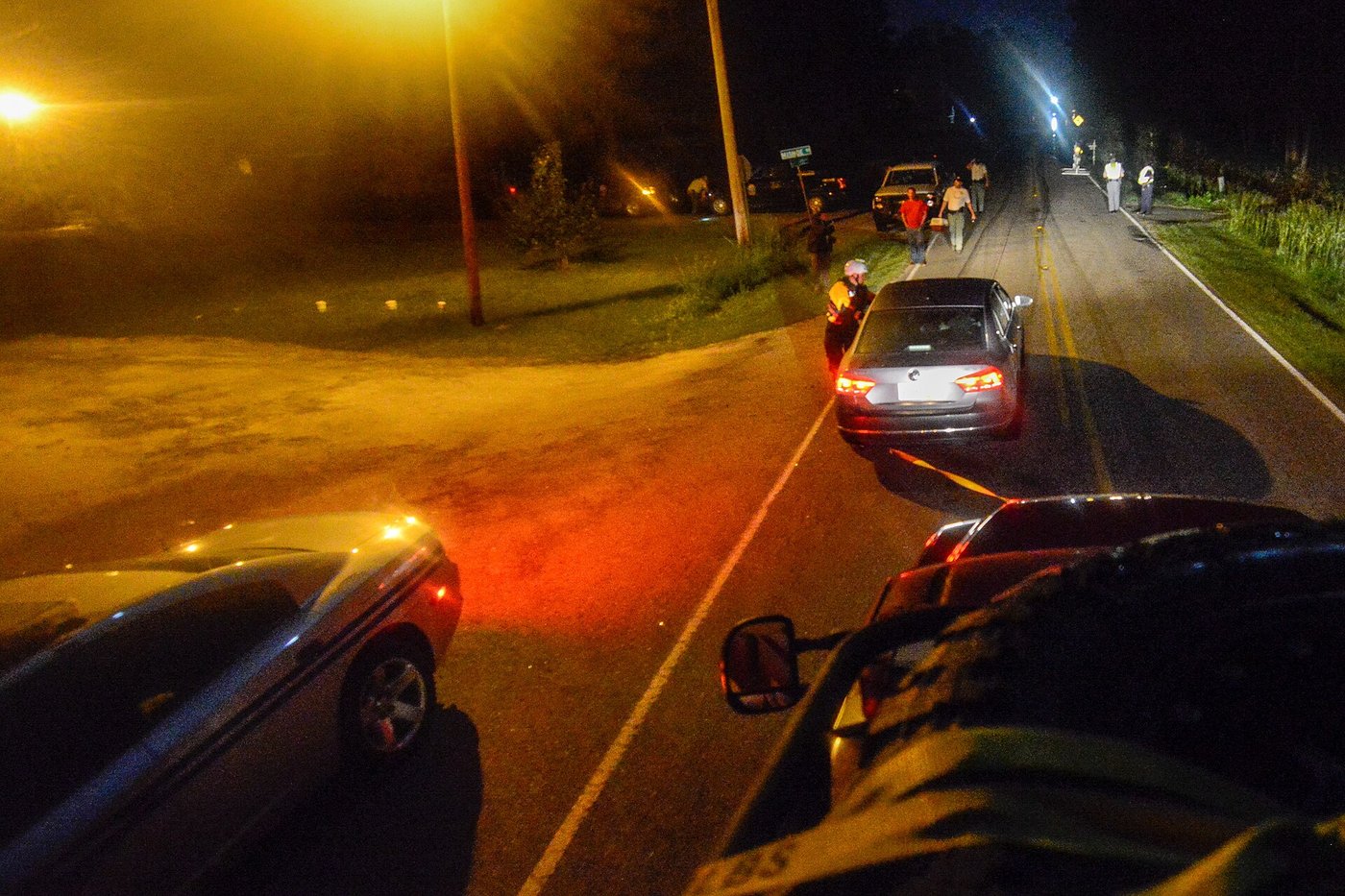
Image: Illustrative photograph: a rescue worker retrieves a stalled vehicle from floodwater in Bucksport, South Carolina, in September 2018. This is not an event assessed in the briefing. SC National Guard, Public domain. Resized and converted to JPEG for display.