
Farm antibiotic programme targets practical barriers to stewardship
Five-year research programme links diagnostics, farm data and environmental residues
Newcastle University has announced a five-year programme to tackle practical barriers to antimicrobial stewardship in UK agriculture. Led by the Quadram Institute, with Newcastle co-directors, AMAST is one of 18 projects sharing £54 million in government and UKRI investment, not an award of that amount to AMAST alone.
The programme will connect diagnostics, biosecurity and management on pig farms, improve ruminant antimicrobial-use data and investigate residues in manure, soil and water. Its UK Ruminant Antibiotic Stewardship Roadmap is scheduled to launch on 15 October 2026. These are planned activities; improved stewardship outcomes have not yet been demonstrated.
Why this matters for policymakers
- Evaluation Assess antibiotic-use changes alongside animal health outcomes.
- Data Trusted recording and benchmarking could strengthen policy monitoring.
- Environment Include environmental residues when evaluating agricultural AMR measures.
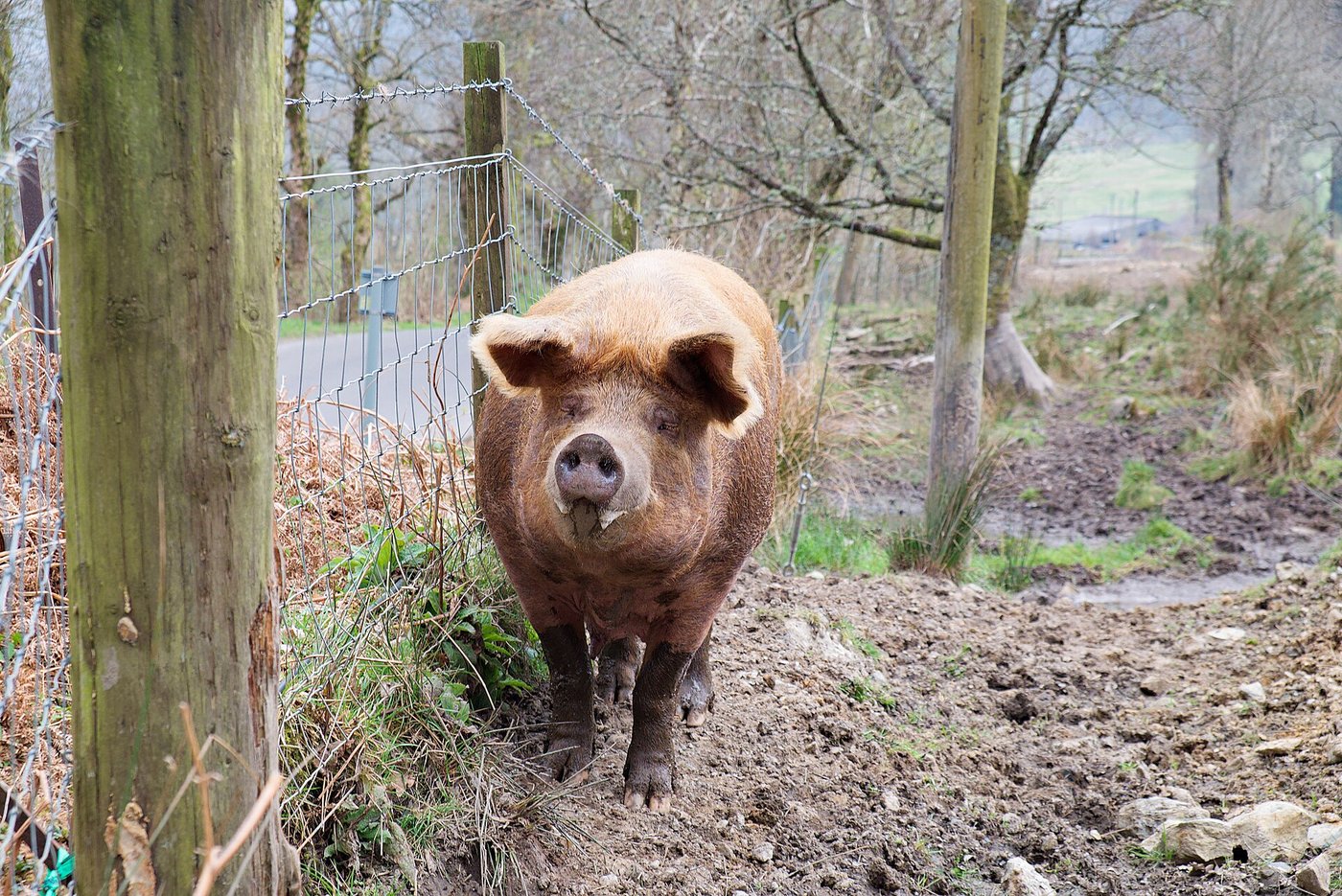
Image: Illustrative photograph of a Tamworth pig in Stirling, Scotland; not an animal participating in the AMAST programme. Trougnouf (Benoit Brummer), CC BY 4.0. Resized and converted to JPEG for display.