
Farmer support could shape pesticide-reduction progress
Modelling highlights barriers that subsidies alone may not overcome
Behavioural barriers could constrain pesticide reduction, according to a University of Liverpool announcement describing a study with University of Warwick researchers. Modelling winter wheat and Septoria tritici blotch suggested Integrated Pest Management (IPM) uptake could remain around 2% by 2030.
IPM combines biological, cultural and chemical methods to reduce reliance on pesticides. The study combined disease modelling with farmer decision-making analysis, comparing subsidies, improved IPM effectiveness and better access to knowledge and resources. Financial incentives alone appeared unlikely to drive widespread adoption. These are modelled outcomes for a particular crop and disease, not observed national uptake.
Why this matters for policymakers
- Support design Assess training and advisory provision alongside financial incentives.
- Delivery Consider early support, as adoption gains may persist.
- Evaluation Test modelled responses against farm-level uptake and pesticide use.
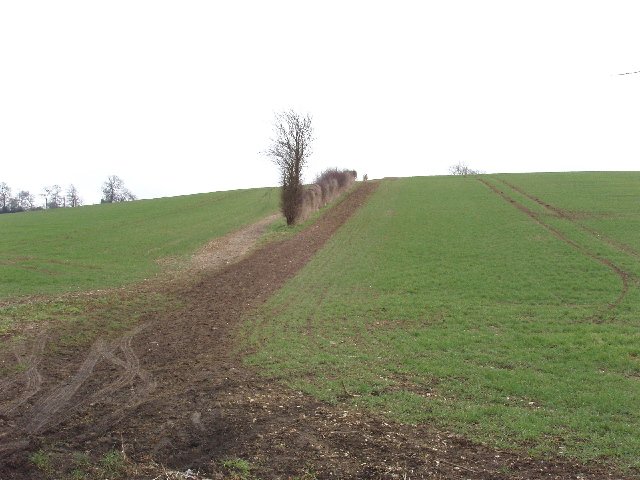
Image: Illustrative photograph of winter wheat near Chesham, not a study site. Photograph: David Hawgood, CC BY-SA 2.0. David Hawgood, CC BY-SA 2.0. Resized and converted to JPEG for display.