
G20 science academies set priorities for disaster technology
Joint statement links preparedness tools with accessible data, local capacity and human oversight.
Advanced technologies need accessible data and effective governance to support disaster preparedness, according to the Royal Society’s announcement of a joint statement from G20 national science academies. The statement identifies opportunities for remote sensing, early-warning systems, digital twins, drones and artificial intelligence to strengthen decision-making.
Its five priorities cover risk understanding and data collection; safe, secure and equitable access; locally appropriate skills and solutions; human decision-making and governance; and international, cross-sector collaboration. These are recommendations for deployment, not evidence that particular technologies have already reduced disaster losses.
Why this matters for policymakers
- Investment scrutiny Resilience funding could assess data availability and governance alongside equipment.
- Local capability Procurement could include training and adaptation to local hazards.
- Accountability Technology-enabled decisions warrant clear human responsibility and secure data-sharing arrangements.
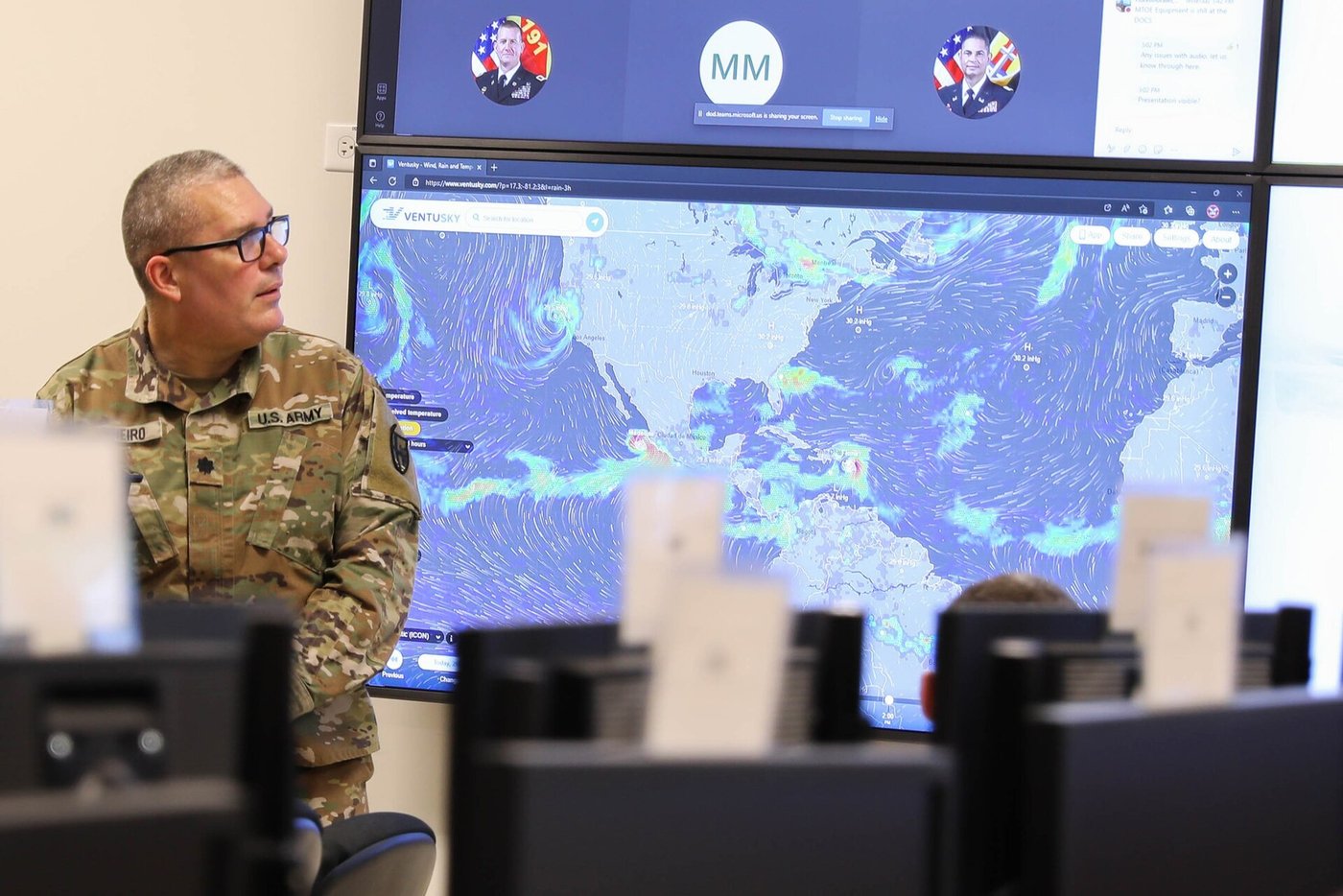
Image: Illustrative photograph: a Puerto Rico National Guard member monitors Hurricane Fiona in September 2022, separate from the S20 statement. The National Guard, CC BY 2.0. Resized and converted to JPEG for display.