
Lake-ending glaciers expose ice-loss modelling gap
Global assessment identifies differences relevant to climate adaptation
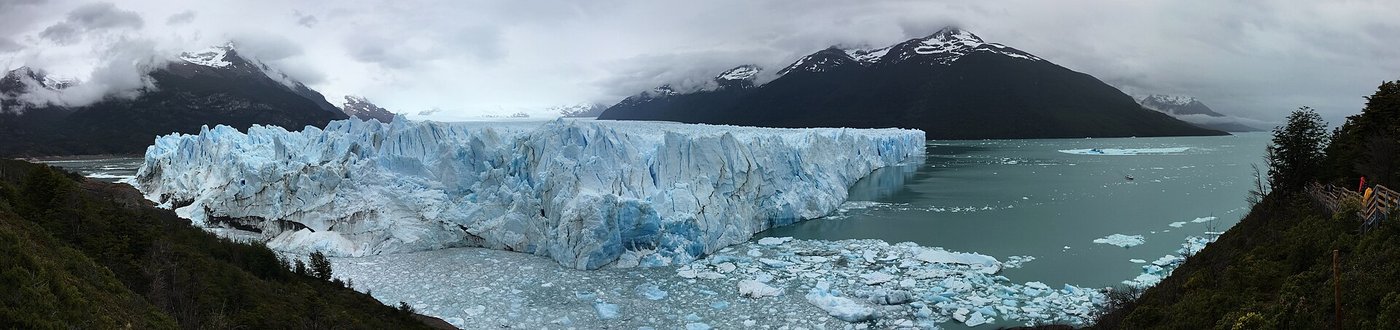
A study led by the universities of Birmingham and Leeds examined 216,502 glaciers worldwide, excluding the Greenland and Antarctic ice sheets. Glaciers ending in lakes, oceans or ice shelves represented 3.2% of glaciers but covered over half their total area and accounted for more than half of glacier ice loss during 2000–2019.
Published in Nature Communications, the analysis found faster ice loss in lake-ending glaciers after accounting for factors including climate, size and elevation. The causes remain uncertain. Many projection models do not fully account for lake-ending glaciers; the classification could help improve estimates.
Why this matters for policymakers
- Coastal planning Assess how glacier-model uncertainty affects sea-level projections used in adaptation.
- Water and hazards Consider changing glacier types in water-resource and natural-hazard assessments.
- Research priorities Support investigation of why lake-ending glaciers lose ice faster.
Image: Illustrative photograph of Perito Moreno Glacier and Lake Argentino, Argentina, not an image produced by the study. Credit: Fredlyfish4, CC BY-SA 4.0. Fredlyfish4, CC BY-SA 4.0. Resized and converted to JPEG for display.