
Liverpool study reveals how cells respond to physical force
Talin protein can bind to itself when stretched, clarifying a longstanding question in cell biology
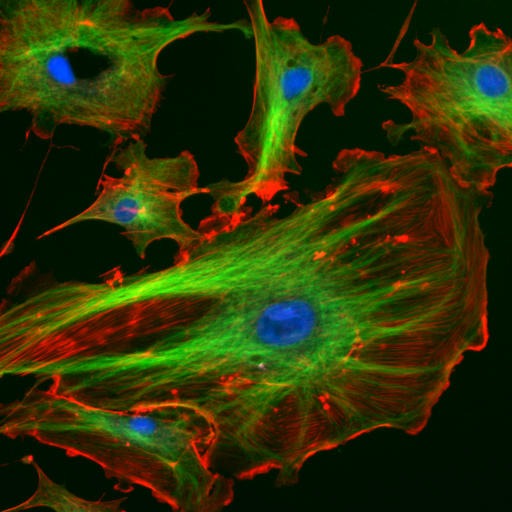
An international team led by the University of Liverpool has identified a mechanism through which cells respond to physical forces. The study, led by Professor Ben Goult and published in PNAS, centres on talin, a protein involved in attaching cells to their surroundings.
Stretching talin exposes a hidden region that allows talin molecules to bind directly to one another. Another protein, vinculin, can separate these assemblies, providing a way to control their formation and breakdown. The findings clarify the function of a region previously thought to bind a different attachment protein, integrin.
The work brings together researchers in the UK, Finland and Singapore. It adds to understanding of cellular processes relevant to tissue development, wound healing and immune responses. This is fundamental cell biology, not a demonstration of a new treatment.
Why this matters for policymakers
- Discovery research: The findings illustrate the value of investigating basic biological mechanisms.
- Research infrastructure: Advanced imaging and molecular measurement underpin this type of work.
- International collaboration: The study combines expertise across UK, Finnish and Singaporean institutions.
Sources: University of Liverpool: how cells respond to force; Research paper in PNAS; Read the open-access paper through the University of Kent.