
NHS evaluation tests AI detection of hidden heart disease
Routine ECGs could help prioritise patients for heart ultrasound scans
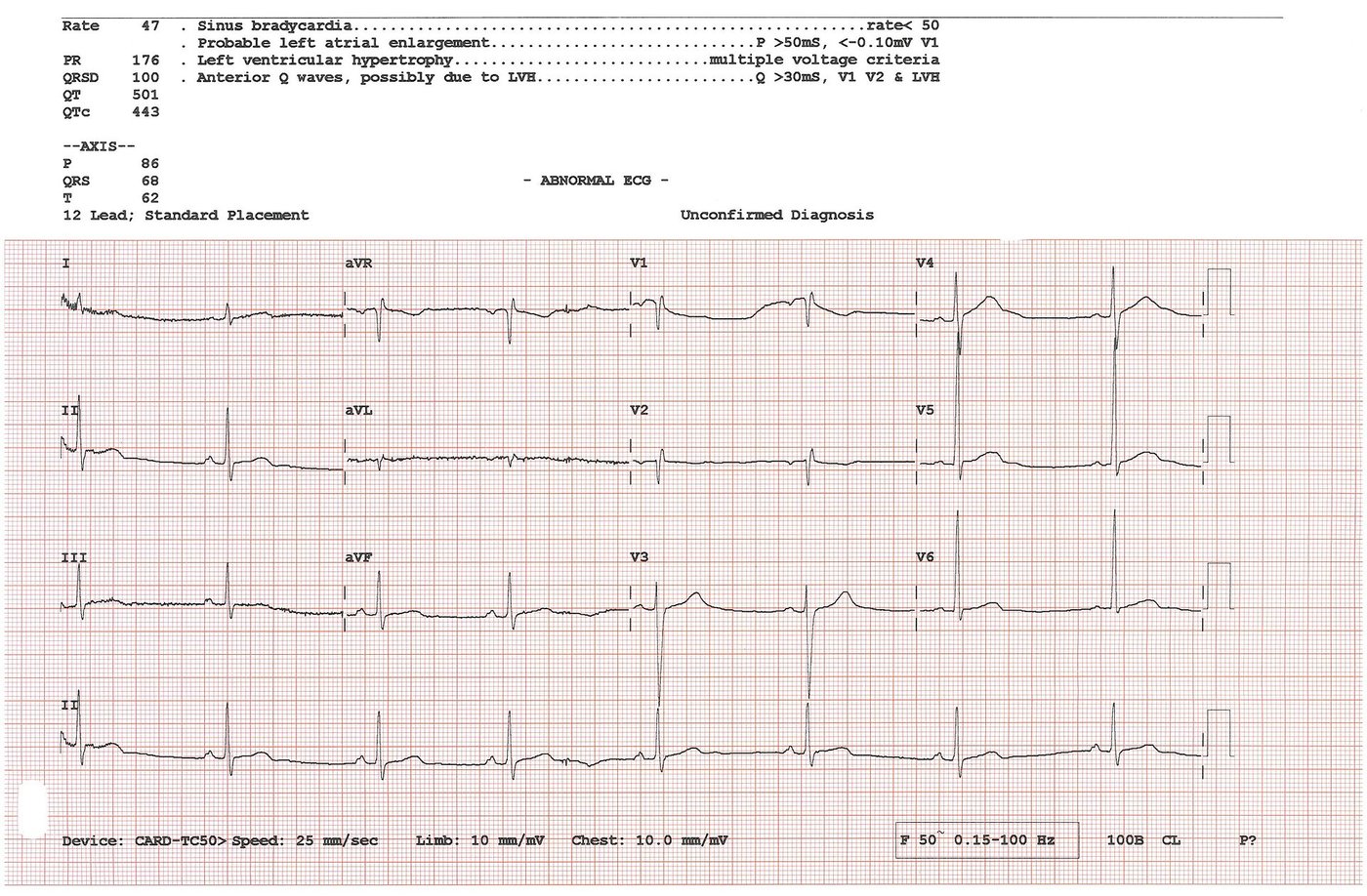
Researchers at Imperial College London’s National Heart and Lung Institute have developed an AI model to identify signs of reduced heart pumping function and valve disease from routine electrocardiograms. Testing involved 5,442 and 61,520 US patients, comparing AI analysis with echocardiogram results. Performance varied by condition.
Evaluation is now under way in 590 NHS patients across London and Bristol. The technology cannot independently diagnose or rule out these conditions, but could flag higher-risk patients for scans. The team estimates routine clinical use could be two years away; deployment is not established.
Why this matters for policymakers
- Analysis: NHS validation Adoption should depend on evidence of performance and safety in NHS populations.
- Analysis: Scan capacity Evaluation should test whether prioritisation improves waiting times without overwhelming ultrasound services.
- Analysis: Clinical oversight Any rollout should retain confirmatory testing and monitor missed cases and unnecessary referrals.
Read the original announcement.
Image: Illustrative 12-lead electrocardiogram; not a patient record from the reported NHS evaluation. Peterhcharlton, CC BY 4.0. Resized and converted to JPEG for display.