
North Sea heatwave reveals marine monitoring blind spot
Glider observations captured a sustained biological response beneath the surface
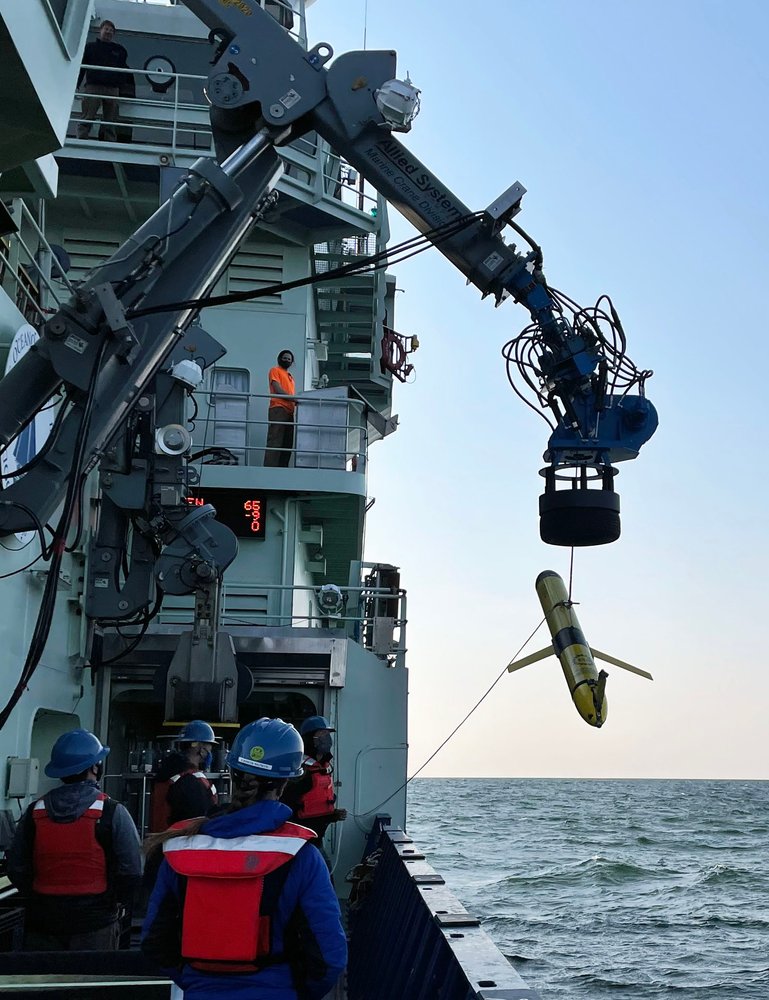
An autonomous glider detected a sustained subsurface phytoplankton increase during the June 2023 North Sea heatwave, a National Oceanography Centre-led study reports. Published in Communications Earth & Environment, the research contrasts this response with the brief surface increase seen by satellites.
Subsurface chlorophyll concentrations rose from typical post-bloom levels of 1–2 milligrams per cubic metre to above 3, with short-lived peaks exceeding 9. Elevated levels persisted for more than a week. Researchers could not definitively establish the mechanism, suggesting increased light availability and/or horizontal transport as possibilities.
Why this matters for policymakers
- Monitoring investment Our analysis: assess full-water-column coverage alongside satellite capability.
- Ecosystem assessments Our analysis: account for biological changes that surface observations may miss.
- Research priorities Our analysis: test mechanisms before assuming predictable ecosystem or fisheries consequences.
Image: Illustrative photograph of an underwater glider being deployed from R/V Armstrong, not the June 2023 North Sea study deployment. Credit: Al Plueddemann/WHOI, Ocean Observatories Initiative. Ocean Observatories Initiative, Public domain. Resized and converted to JPEG for display.