
Solar storm study highlights aviation radiation monitoring gaps
Measurements across the atmosphere could strengthen space-weather forecasting
A rare solar storm has provided evidence for improving aviation radiation monitoring, according to research announced by the University of Surrey. The study, published in Space Weather, combined aircraft, balloon and ground-sensor measurements during an event on 11 November 2025.
Exposure varied with location and altitude. Measurements exceeded international advisory thresholds at some higher flight altitudes, while one London-to-New York flight recorded 46 per cent more radiation exposure than normal background conditions. That figure describes exposure on a single flight, not an equivalent increase in health risk.
The researchers highlight the value of direct atmospheric observations alongside forecasting models. These findings concern a past event, not a current warning to passengers.
Why this matters for policymakers
- Monitoring investment Our analysis: assess sustained support for coordinated ground, aircraft and balloon observations.
- Operational preparedness Our analysis: examine how measured radiation can inform aviation forecasts and response procedures.
- Risk communication Our analysis: distinguish exposure measurements, advisory thresholds and demonstrated health effects.
Sources: University of Surrey: read the original announcement.
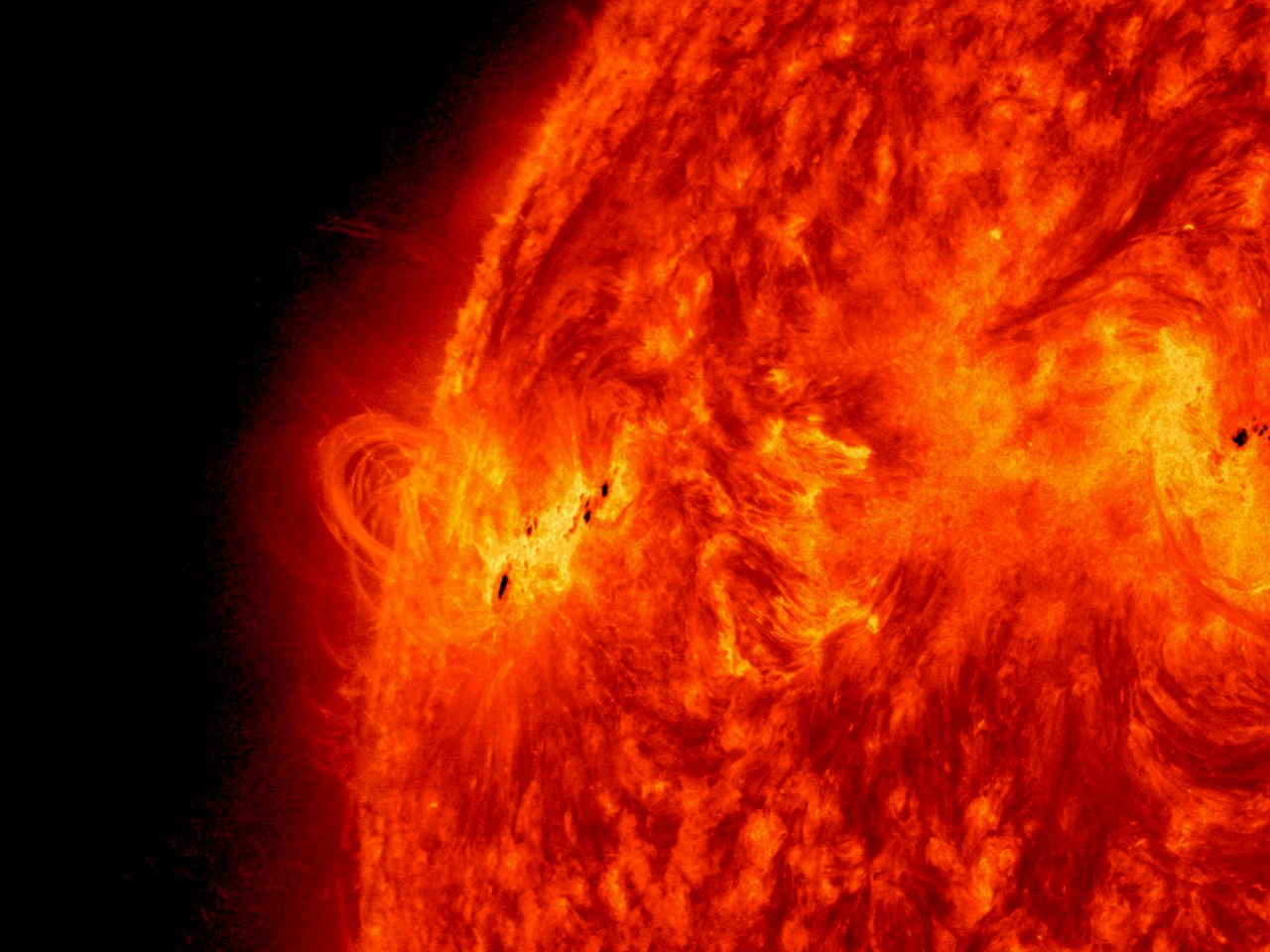
Image: NASA/SDO. Illustrative solar-flare image from 14 May 2013, not the November 2025 event analysed in the study. Resized and optimised for the web Public domain (NASA).