
Study sets out requirements for NHS AI eye screening
Stakeholder consensus extends assessment beyond diagnostic accuracy
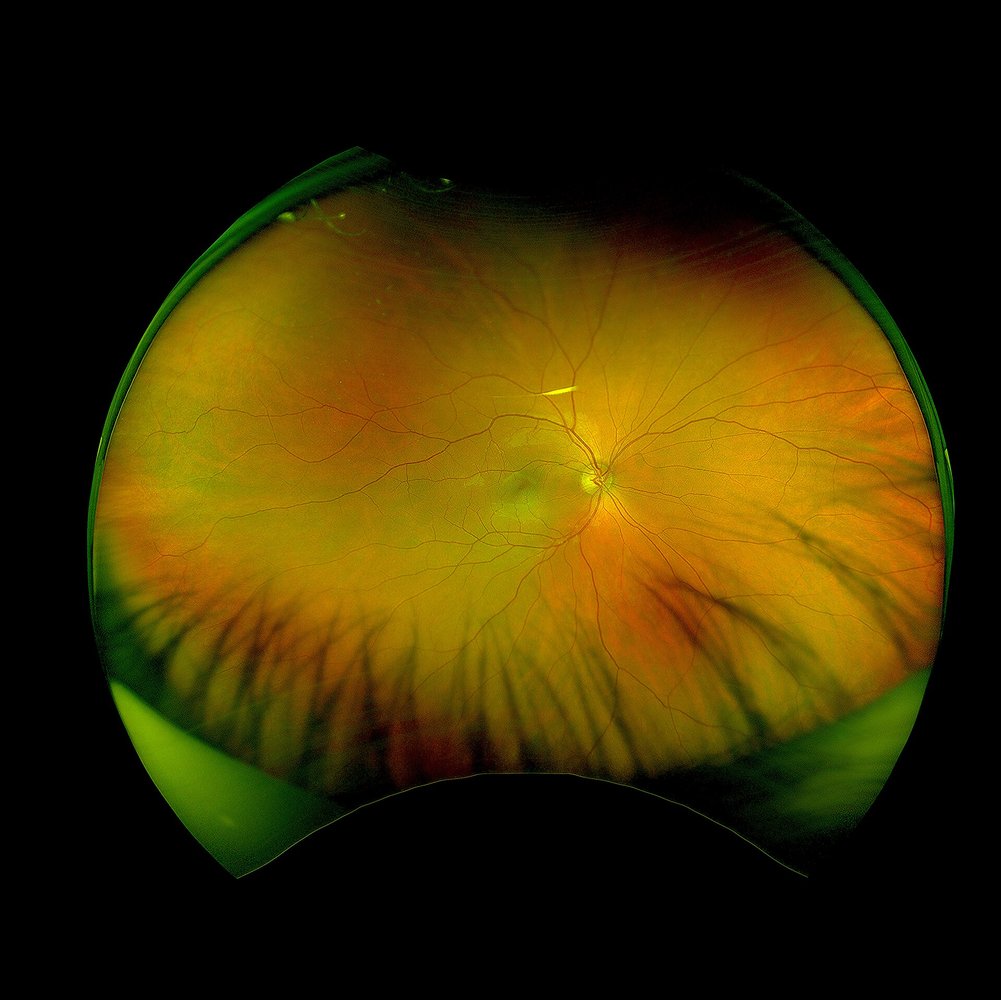
AI eye screening needs assessment beyond diagnostic accuracy, according to a University of Birmingham-led consensus study published in The Lancet Digital Health. Its framework covers 35 requirements, including clinical performance, patient safety, regulation, data governance, cybersecurity, environmental sustainability, value for money and NHS integration.
Researchers used a modified Delphi process involving patients, clinicians, NHS leaders, regulators, policymakers and developers. The preferred role is first-pass analysis of retinal images, identifying those needing specialist review. England’s programme serves almost four million people with diabetes. The study provides an assessment framework, not evidence of a procurement award or deployment.
Why this matters for policymakers
- Analysis: Procurement Buyers could assess safety, integration and value alongside diagnostic performance.
- Analysis: Workforce Implementation planning should account for specialist review capacity.
- Analysis: Assurance Consensus requirements do not replace evaluation of individual products in routine care.
Image: Illustrative retinal photograph; not an image assessed in the reported NHS AI screening study. Ktkvtsh, CC BY-SA 4.0. Resized and converted to JPEG for display.