
Wrist-worn IV device raises NHS evaluation questions
Comparative testing supports securement design, but clinical benefits remain unproven
A wrist-worn device designed to prevent intravenous lines becoming dislodged has been launched by Javelo, according to an Imperial College London announcement. It uses mechanical securement rather than adhesives. An independent, EPSRC-funded comparative study by Imperial researchers ranked it the most comfortable and effective product tested; the supplied evidence does not establish reductions in clinical complications.
The UK-manufactured device is being used at sites managed by two NHS trusts. Availability through an NHS Supply Chain framework is planned from April 2027. Avoiding failed lines could reduce treatment interruptions and replacement work, but NHS-wide savings remain unproven.
Why this matters for policymakers
- Patient safety Our analysis: evaluate dislodgement and extravasation outcomes in clinical use.
- Procurement Our analysis: distinguish comparative securement performance from demonstrated patient benefit.
- Value for money Our analysis: assess purchase costs alongside replacement rates and staff time.
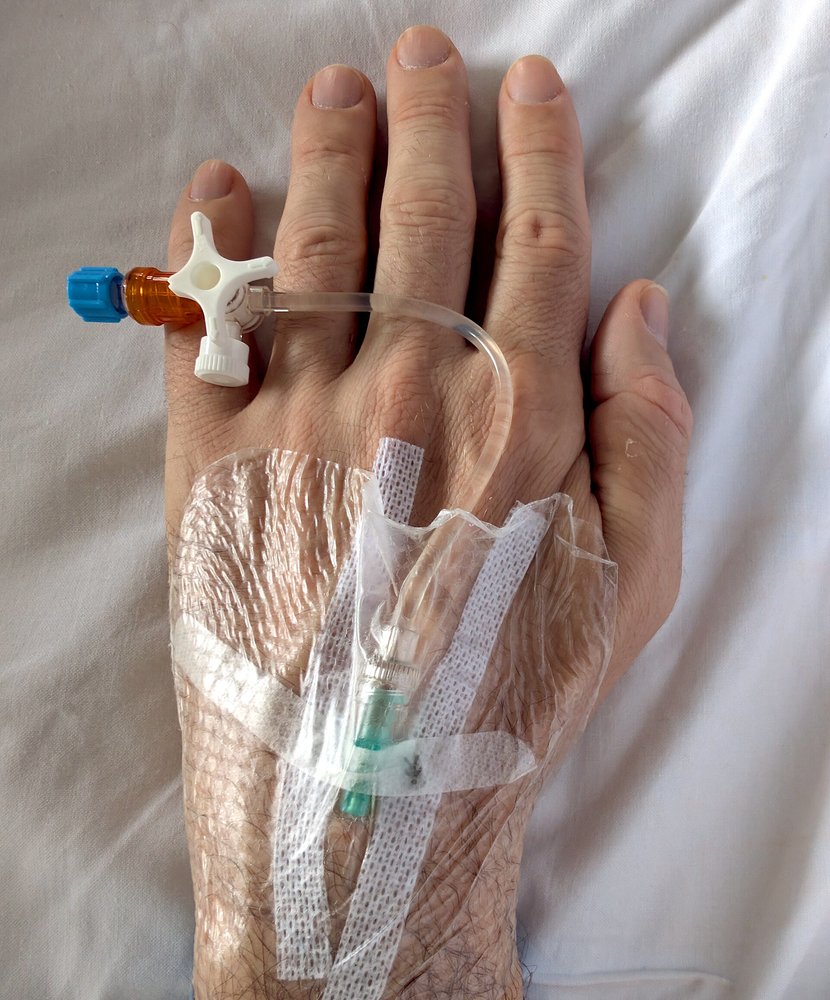
Image: Illustrative photograph of infusion tubing inserted at Pasteur Hospital, Colmar, France. It does not show the Javelo device or the reported evaluation. Gzen92, CC BY-SA 4.0. Resized and converted to JPEG for display.