University of Liverpool Showcases AI-Driven Materials Innovation During UKRI CEO Visit
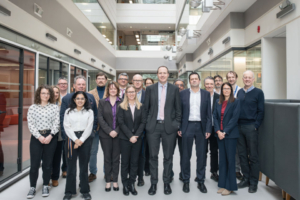
The University of Liverpool recently highlighted its leadership in artificial intelligence (AI) for materials science during a visit from the CEO of UK Research and Innovation (UKRI). The visit showcased how the university is integrating AI with advanced materials research to accelerate discovery, improve efficiency, and address global challenges such as sustainability and clean energy. Researchers demonstrated cutting-edge projects where machine learning models are used to predict material properties, optimize chemical processes, and reduce the time and cost traditionally associated with experimentation.
The event emphasized Liverpool’s role as a hub for interdisciplinary collaboration, bringing together experts in chemistry, physics, engineering, and computer science. Facilities and research programs presented during the visit illustrated how AI-driven approaches are transforming materials innovation, particularly in areas like battery technology, catalysis, and net-zero solutions.
The UKRI CEO’s engagement underlined the importance of continued investment in AI-enabled research infrastructure and skills development. The visit also reinforced the UK’s broader ambition to remain globally competitive in science and innovation. Overall, the showcase demonstrated how strategic integration of AI into materials science can drive economic growth, support environmental goals, and strengthen the UK’s research ecosystem.
Key Points for Policymakers
- AI integration significantly accelerates materials discovery and reduces R&D costs.
- Investment in interdisciplinary research hubs is critical for innovation leadership.
- AI-enabled materials science supports net-zero and clean energy goals.
- Continued funding and infrastructure development are essential for global competitiveness.

