
Seabirds Inspire Breakthrough in GPS-Free Navigation Technology
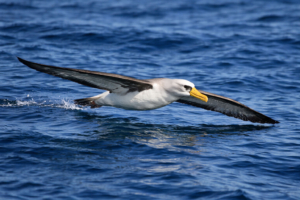
Researchers from the University of Liverpool have uncovered insights into how seabirds navigate vast distances across open oceans without relying on GPS-like systems. The study explores how these birds use natural environmental cues—such as the Earth’s magnetic field, wind patterns, and visual landmarks—to maintain precise routes during long migrations. By analyzing seabird movement data and behavioral patterns, scientists identified mechanisms that could inform the development of next-generation navigation technologies.
This research is particularly relevant as modern navigation systems remain vulnerable to signal disruption, interference, and cyber threats. By mimicking biological navigation strategies, engineers could design resilient, GPS-independent systems for use in aviation, maritime operations, and autonomous vehicles.
The findings highlight how nature-inspired solutions can address technological challenges, especially in environments where satellite signals are unreliable or unavailable. The study represents a growing field of bio-inspired engineering, where biological systems provide models for innovation. Ultimately, seabirds may hold the key to safer, more reliable navigation systems that function even in the absence of traditional infrastructure.
Key Points for Policymakers
- GPS systems are vulnerable to jamming and spoofing, posing security risks.
- Investment in bio-inspired navigation could strengthen national infrastructure resilience.
- Applications span defense, transportation, and autonomous systems.

