The UK Has the Means to Avoid Climate Policy Being Driven by Culture Wars
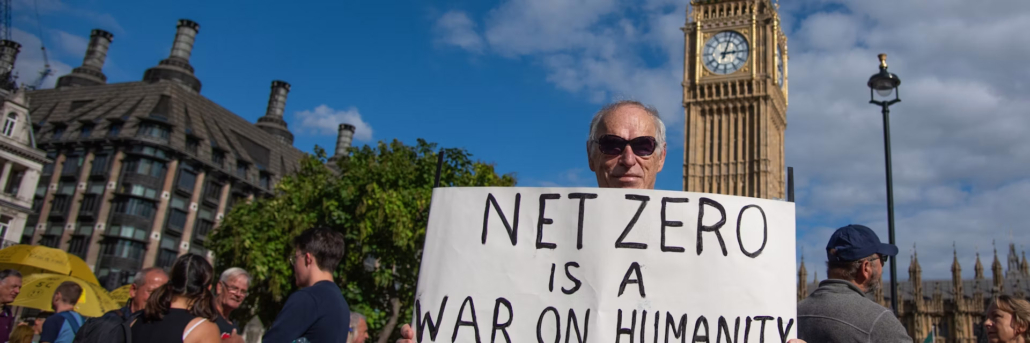
In The UK Has the Means to Avoid Climate Policy Being Driven by Culture Wars, published by The Conversation, Professor Chris Rapley of University College London examines whether the UK can avoid the political polarisation over climate policy that has become increasingly evident in other countries.
Drawing on developments in both the UK and internationally, Rapley considers the factors that have helped sustain support for climate action across political divides and the role that institutions can play in supporting long-term policymaking. The article explores how public attitudes, political leadership, and governance frameworks may influence the future direction of climate policy.
The discussion comes at a time when debates around net zero, energy policy, and climate action are becoming more prominent in public and political discourse. Rapley argues that preserving constructive dialogue and maintaining confidence in evidence-based decision-making will be important if climate policy is to avoid becoming a source of deeper political division.
The article offers a timely contribution to the wider conversation about how democratic societies can address long-term environmental challenges while maintaining public trust and political consensus.
Key Points for Policymakers
- Strong institutions can help support long-term policymaking on complex challenges such as climate change.
- Cross-party engagement remains important in maintaining public confidence and policy stability.
- Public support for climate action provides an opportunity to build consensus around future policy decisions.
- International experience highlights the risks of climate policy becoming increasingly polarised.
Read the Full Article
The UK Has the Means to Avoid Climate Policy Being Driven by Culture Wars
https://theconversation.com/the-uk-has-the-means-to-avoid-climate-policy-being-driven-by-culture-wars-285183

