
Mining Pollution Threatens Almost 300,000km of Global Coastline
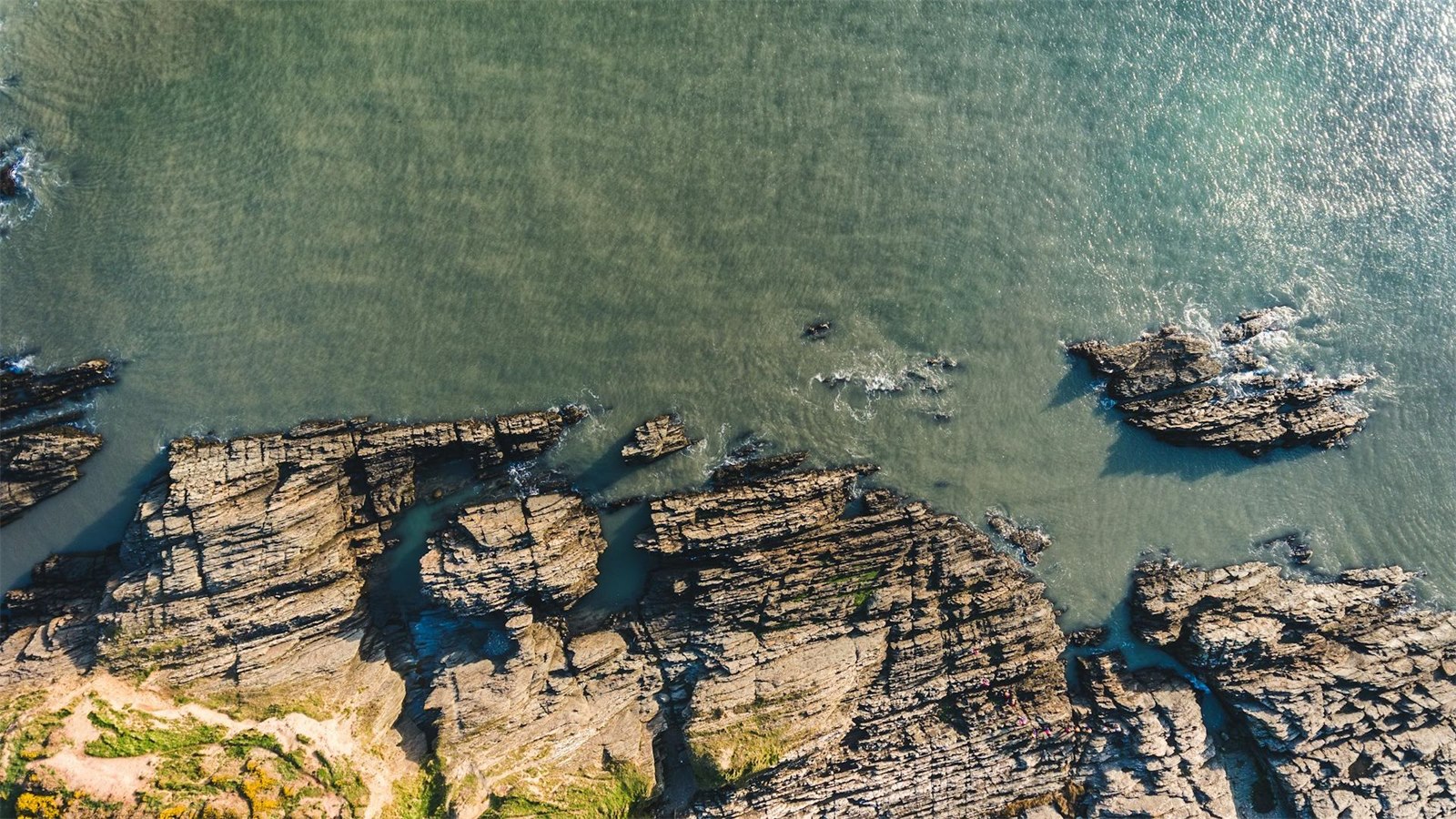
A new global assessment led by the National Oceanography Centre (NOC), working with Plymouth Marine Laboratory, has mapped the potential exposure of coastlines to pollution from metal mines and mine-waste facilities.
The researchers identified 4,094 active mines, 28,563 inactive mines and 11,472 tailings storage facilities close enough to the coast to present a potential contamination risk. Together, these sites could affect up to 292,805km of coastline – more than seven times the circumference of the Earth.
The risks are not confined to sudden tailings-dam failures. The study indicates that slow leakage from active and long-abandoned sites may create a wider, longer-lasting threat as contaminants move through rivers, estuaries and coastal waters. Metals can accumulate in marine sediments and wildlife, with implications for ecosystems, fisheries, coastal livelihoods and food safety.
Climate change may intensify the problem. The research compared mine locations with projections for rainfall, sea-level rise and other climate hazards, identifying regions where pollution risks and climate pressures are likely to overlap.
Why this matters for policymakers
- Monitoring needs to follow pollution from source to sea. Mine regulation, river monitoring and marine protection are often handled separately, although contaminants cross all three systems.
- Legacy sites remain a public-policy liability. Long-closed mines can continue leaking for decades or centuries, requiring clear responsibility and sustained remediation funding.
- Critical-minerals strategies should include environmental resilience. Rising demand for metals must be accompanied by stronger waste management, climate-risk assessment and enforceable safeguards.
- Better data can support earlier intervention. Ocean observations and satellite monitoring could help identify vulnerable coastlines before contamination becomes entrenched.
Read the original report from the National Oceanography Centre.
Image: Red Morley Hewitt / Unsplash, via the National Oceanography Centre.

