£50m Immunology Centre Pursues Cures, Not Lifelong Disease Management
The Medical Research Council is investing £50 million in a new Centre of Research Excellence for Restorative Immunology, with the ambition of moving treatment for chronic inflammatory disease from symptom control towards lasting remission or cure.
Immune-mediated inflammatory diseases occur when the immune system attacks healthy tissue. They include inflammatory arthritis, inflammatory bowel disease, autoimmune liver disease and Sjögren’s disease, and affect more than four million people in the UK.
The fourteen-year programme will be led by the University of Birmingham and bring together researchers from eight universities in the UK and Japan, including University College London and Newcastle University. Scientists, clinicians, patient research partners, charities and industry will collaborate to map how healthy tissue becomes diseased, create laboratory models and develop precision treatments that can reset immune activity and repair damage.
The scale of the investment reflects both the scientific opportunity and the long-term burden of these conditions. Inflammatory bowel disease alone is estimated to cost the NHS up to £900 million a year.
Why this matters for policymakers
- Long-horizon funding enables ambitious research. Understanding and reversing complex chronic disease requires continuity beyond ordinary project cycles.
- Curative treatments could change public spending. Successful therapies may reduce lifelong medication, repeated treatment and avoidable disability.
- Patients are research partners. Involving people with lived experience can help shape priorities, trials and measures of meaningful benefit.
- Translation must be planned from the outset. Collaboration with health services, charities and industry will be important if discoveries are to reach patients.
Read the original announcement from UK Research and Innovation.
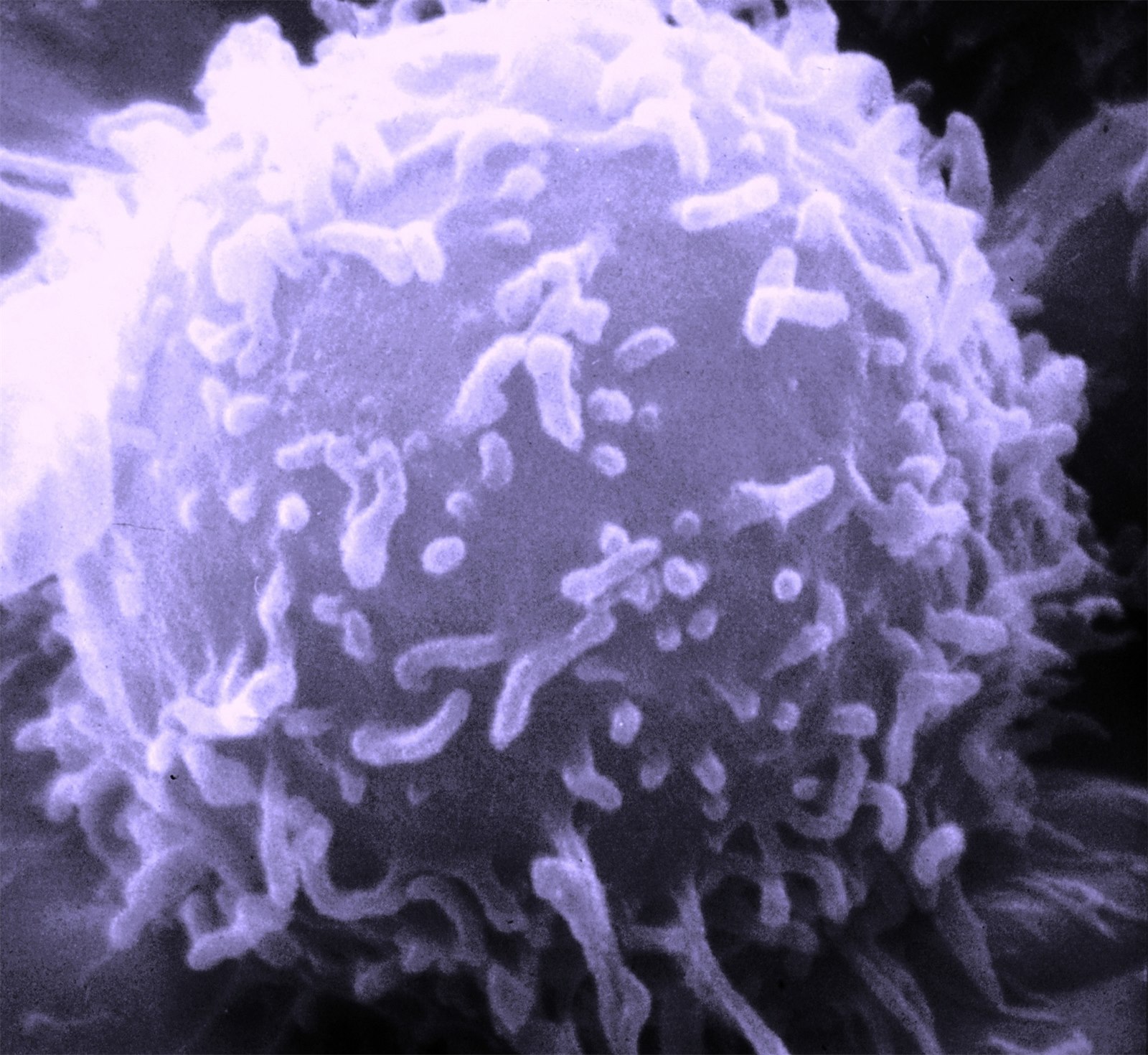
Image: electron micrograph of a human lymphocyte. National Cancer Institute; public domain.

