Extreme Heat Should Be Treated as a Workplace Health and Productivity Risk
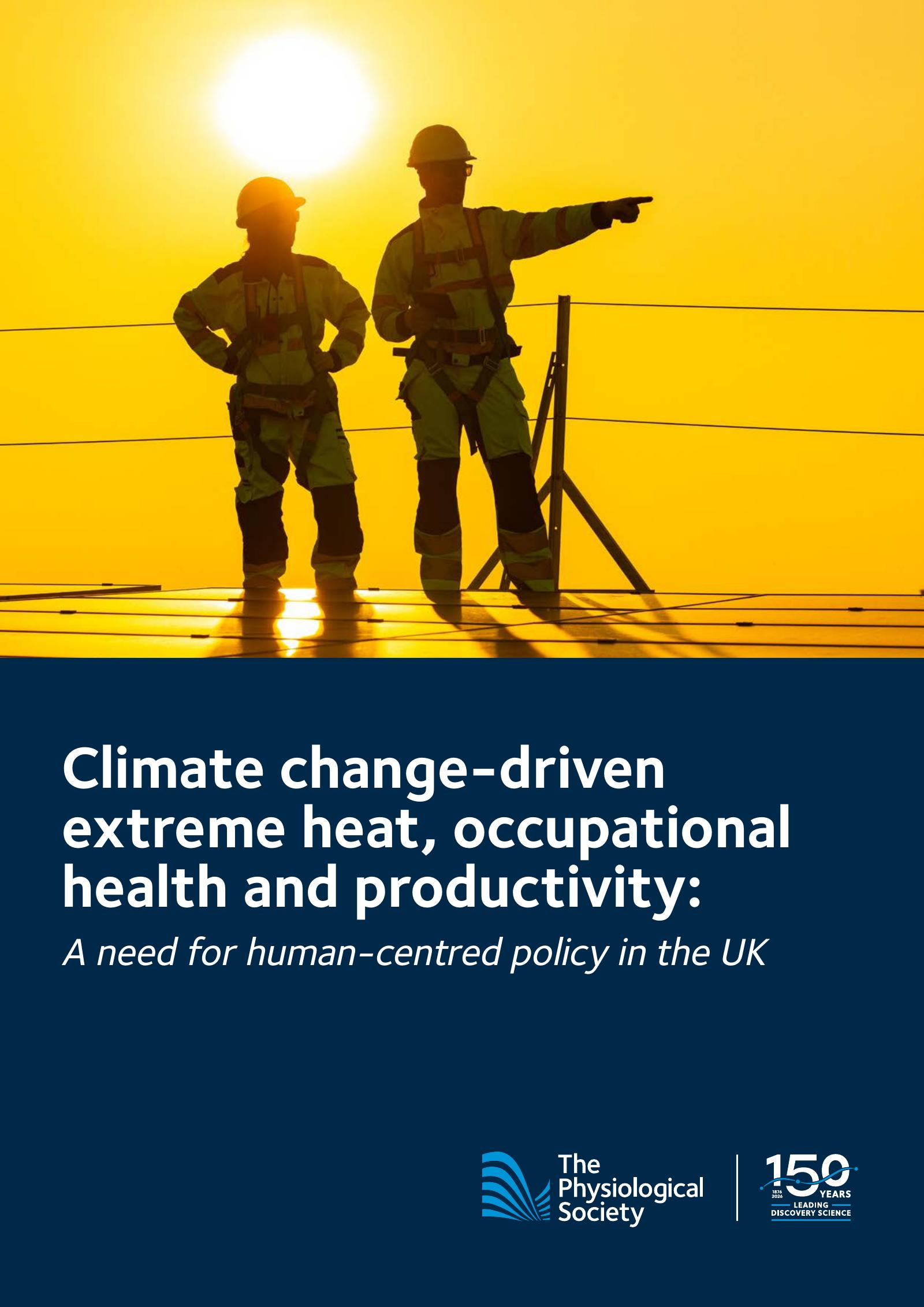
The Physiological Society is urging government to treat extreme heat as a system-wide occupational health and productivity risk rather than an occasional weather emergency.
Its report brings together evidence from physiology, occupational health, climate science and public policy. It argues that risk depends not only on temperature, but also on factors including physical workload, humidity, protective clothing, workplace design and an individual’s health.
Heat exposure can reduce physical and cognitive performance and increase the likelihood of illness and workplace accidents. The Society estimates that 24 million working hours were lost on days above 30°C during June 2026, representing more than £1.15 billion in lost output. Health services, emergency responders, construction, transport and other outdoor or physically demanding occupations face particular pressures.
The report calls for physiologically informed heat targets, stronger legal protection, practical guidance for employers, coordinated public-health messaging across the four nations and further research into the effects on different workers and sectors.
Why this matters for policymakers
- Climate adaptation is also labour policy. Workplace regulation and employer duties need to reflect increasingly frequent and intense heat.
- A single temperature threshold is unlikely to be sufficient. Effective protection should account for workload, humidity, clothing, health and workers’ ability to alter their conditions.
- Public services require specific resilience planning. Staff using PPE or delivering continuous essential services may have limited ability to avoid exposure.
- Clear national guidance can reduce uncertainty. Employers need practical, evidence-based measures that protect health while maintaining safe productivity.
Read the Physiological Society announcement and download the full report.
Image: report cover, The Physiological Society.

