Physics Teacher Shortage Threatens Scotland's Future Skills Pipeline
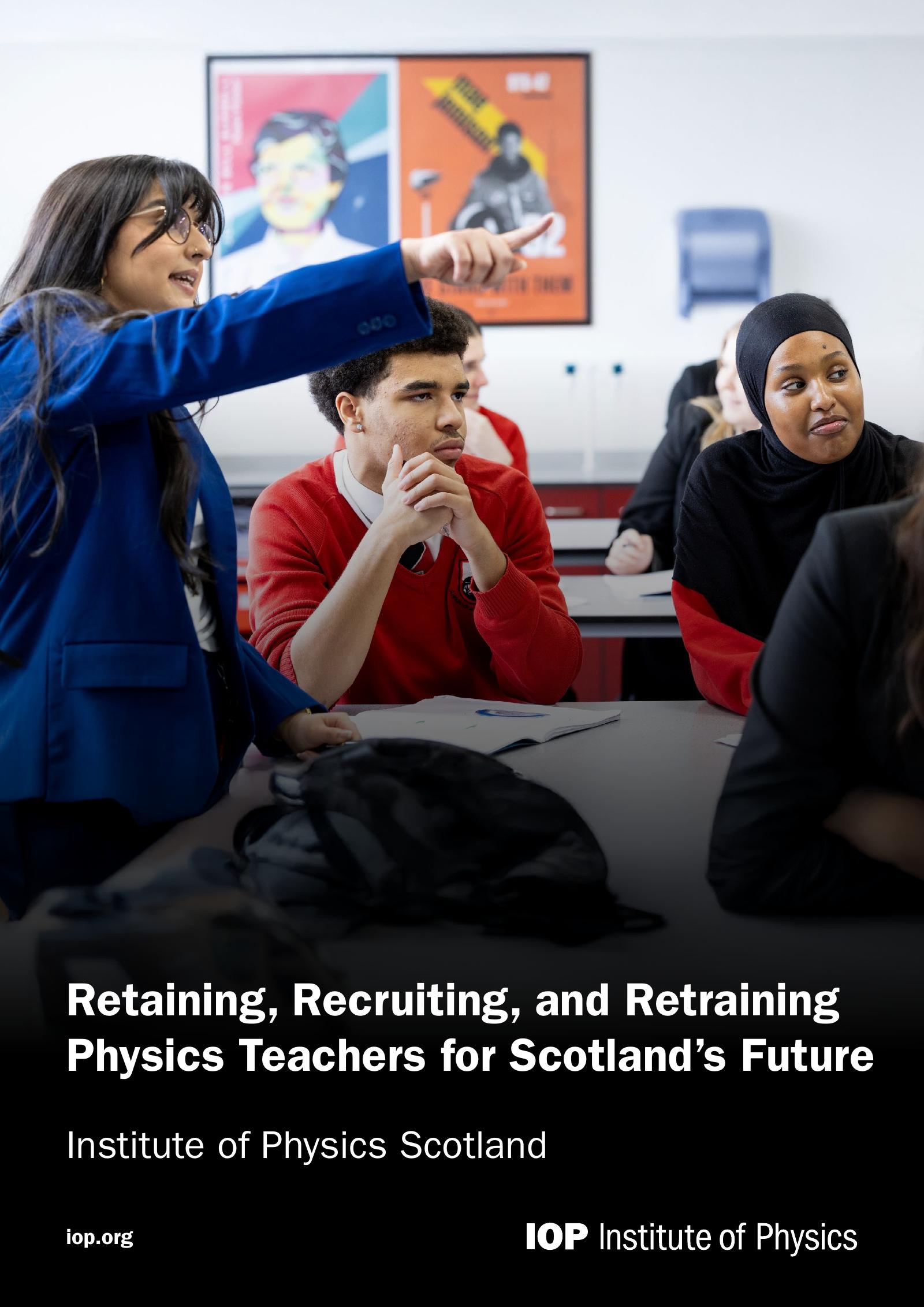
A new Institute of Physics Scotland report warns that persistent shortages of specialist physics teachers are limiting pupils’ opportunities and weakening the future skills pipeline.
Only 28 physics teachers were recruited in the latest year against a target of 131. The number of specialist teachers has been declining for more than two decades, while repeated recruitment shortfalls are being compounded by experienced staff approaching retirement or leaving the profession early.
The consequences are not evenly distributed. Schools outside Scotland’s central belt and those serving disadvantaged communities are more likely to experience reduced access to specialist teaching. The report argues that this can narrow young people’s options while industries dependent on physics skills continue to grow.
The Institute is calling for a coordinated ten-year plan involving the Scottish Government, local authorities and higher education. Its recommendations include reducing unnecessary workload, limiting reliance on teachers covering several courses simultaneously, strengthening incentives in shortage subjects, expanding retraining routes and improving evidence about regional demand.
Why this matters for policymakers
- Teacher supply is economic infrastructure. Future capability in energy, engineering, photonics, space and other physics-intensive sectors begins in schools.
- National totals can hide local inequality. Workforce planning should examine where specialist teaching is available, not simply the overall headcount.
- Retention and retraining matter alongside recruitment. A sustainable plan needs to keep experienced teachers and help existing science teachers gain additional specialisms.
- Policy needs a longer horizon. Annual recruitment measures cannot by themselves correct a shortage built up over decades.
Read the Institute of Physics announcement and download the full report.
Image: report cover, Institute of Physics Scotland.

