ENVIRONMENT
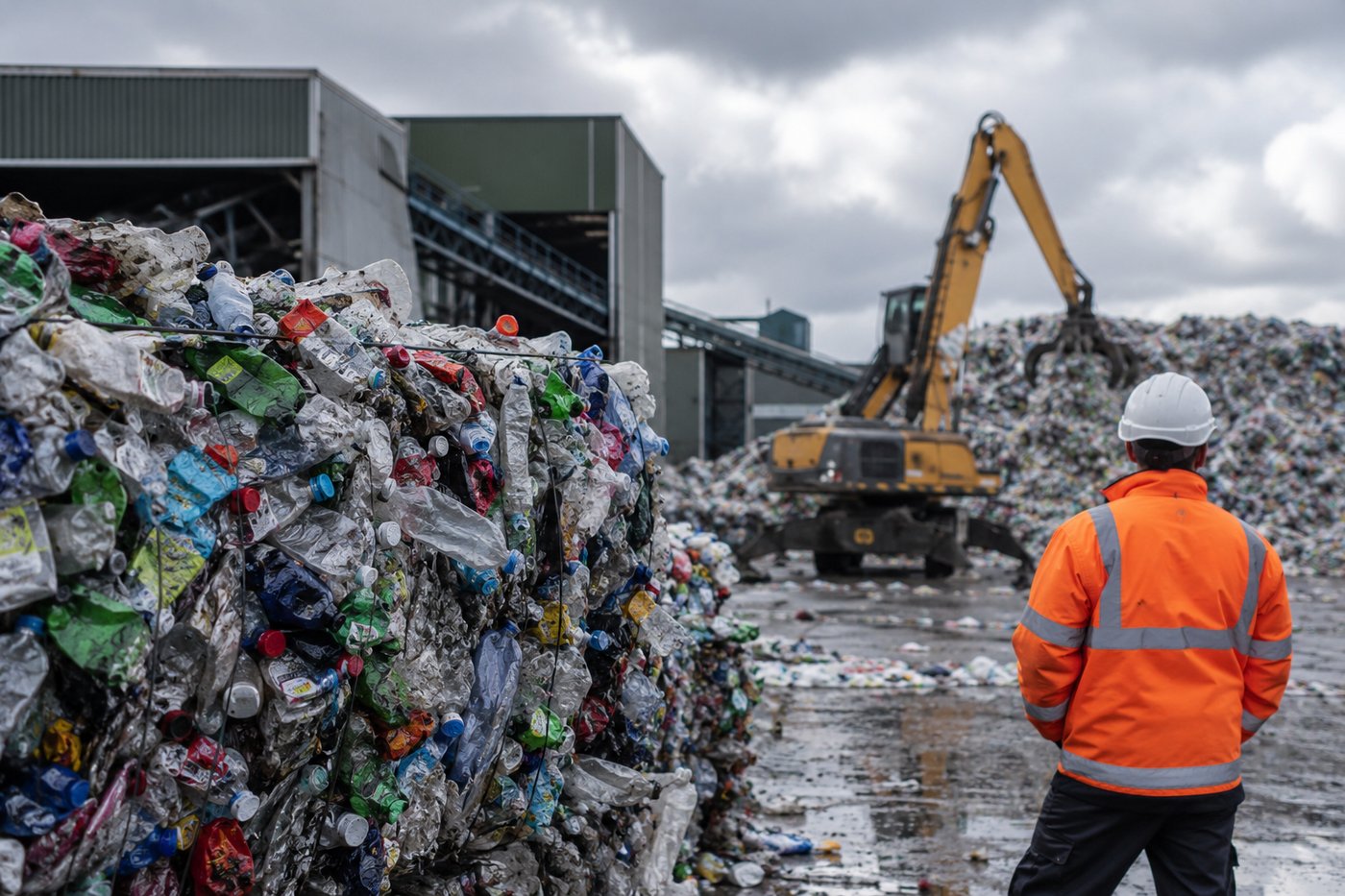
Plastics report highlights UK reprocessing capacity gap
More than 200,000 tonnes of plastic packaging reprocessing capacity have been lost since the end of 2024, a policy commission reports.
 SCIENCEINPARLIAMENT
News items, reports and updates from the Parliamentary and Scientific Committee.
More than 200,000 tonnes of plastic packaging reprocessing capacity have been lost since the end of 2024, a policy commission reports.
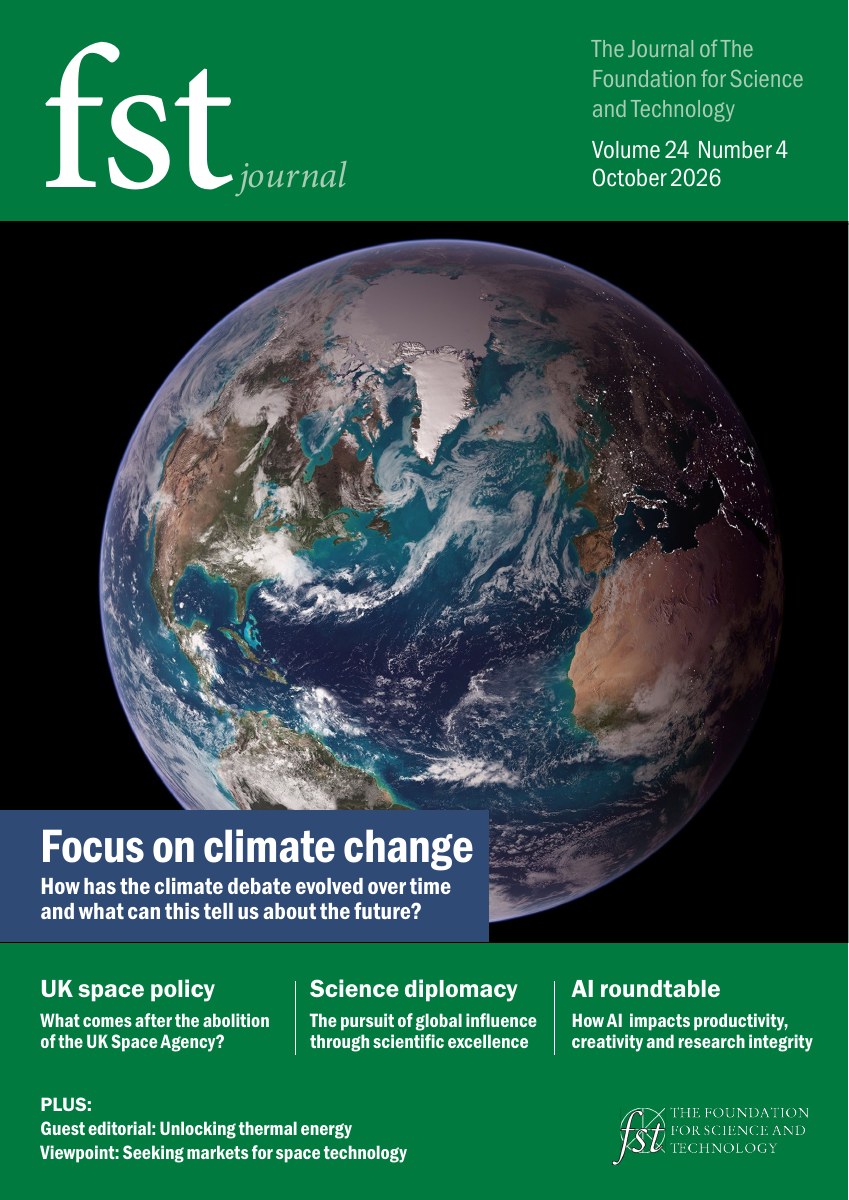
The Autumn FST Journal considers climate change, science diplomacy and AI, with guest editorials on thermal energy and the UK space industry.
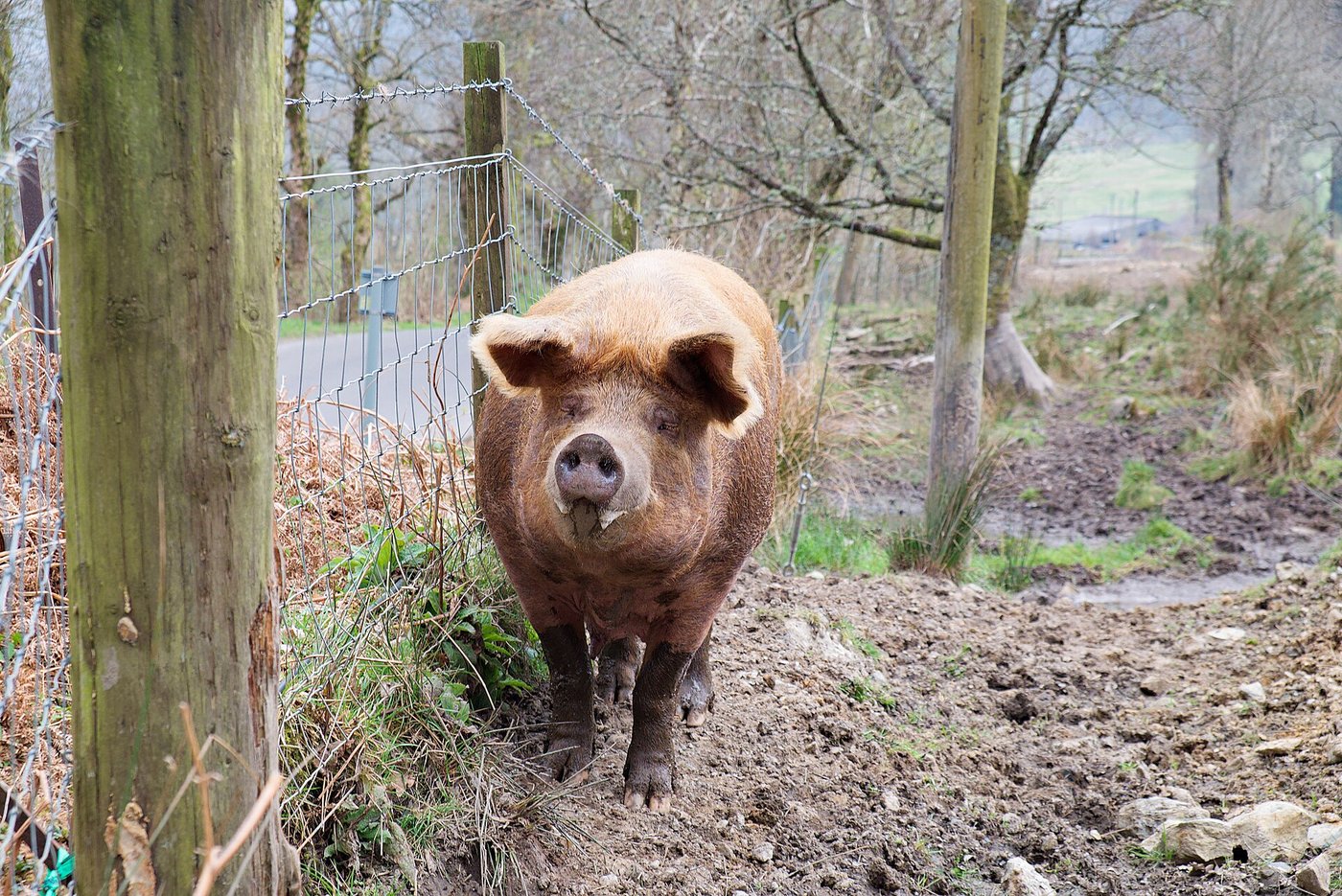
AMAST will test approaches to responsible antimicrobial use across UK food production, with a ruminant stewardship roadmap scheduled for 15 October.

Sudden stratospheric warmings were linked to a higher likelihood of extreme electricity demand, but do not guarantee surface cold.

A modified window-tint meter tracked leaf water content, but species-specific calibration and reduced reliability in severely dried leaves limit deployment.

The Royal Geographical Society's 50th Explore Weekend brings together researchers and expedition organisers for talks, workshops and practical advice in London on 6-8 November.

Maternal vaccination was linked to around 74% lower RSV-related hospitalisation risk in babies under six months, alongside unequal uptake.
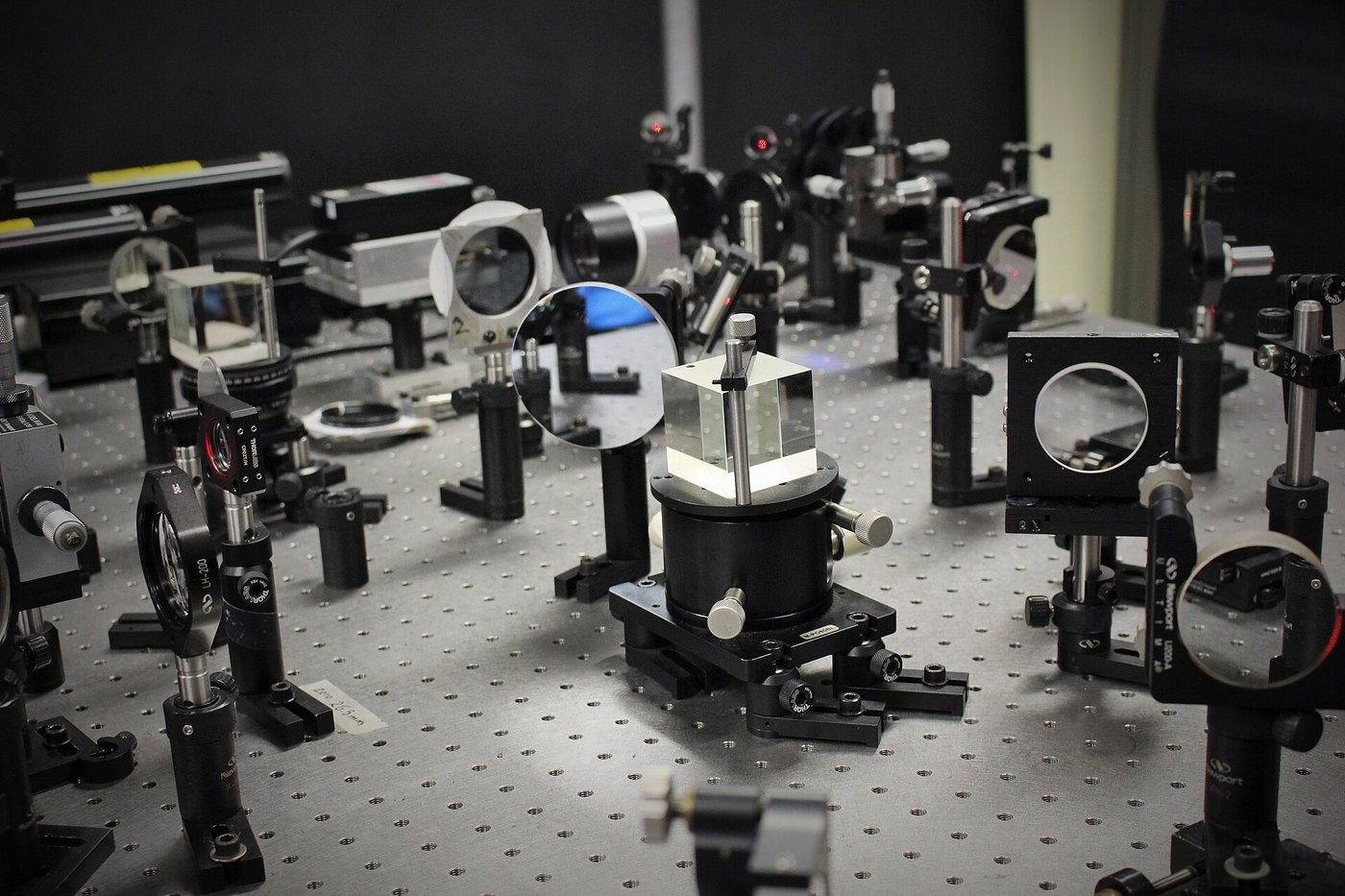
A planned Liverpool laser facility will help researchers investigate processes underlying batteries, hydrogen production and catalysis.
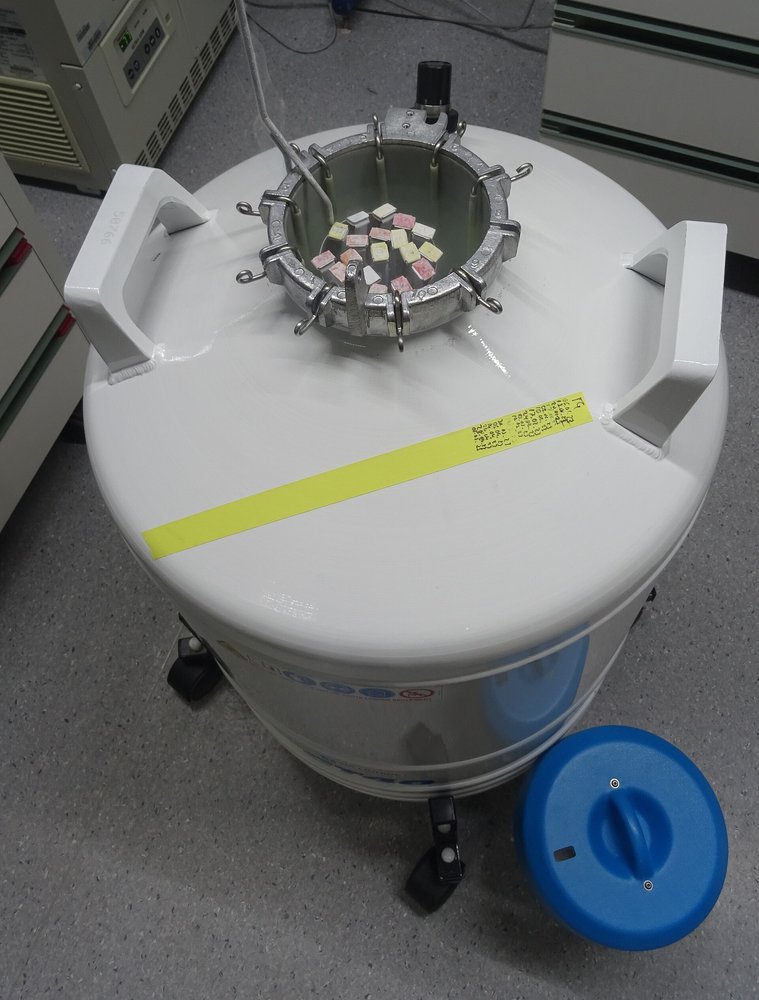
An experimental transplant could offer a future fertility option after childhood treatment, but researchers must first establish whether it produces sperm.
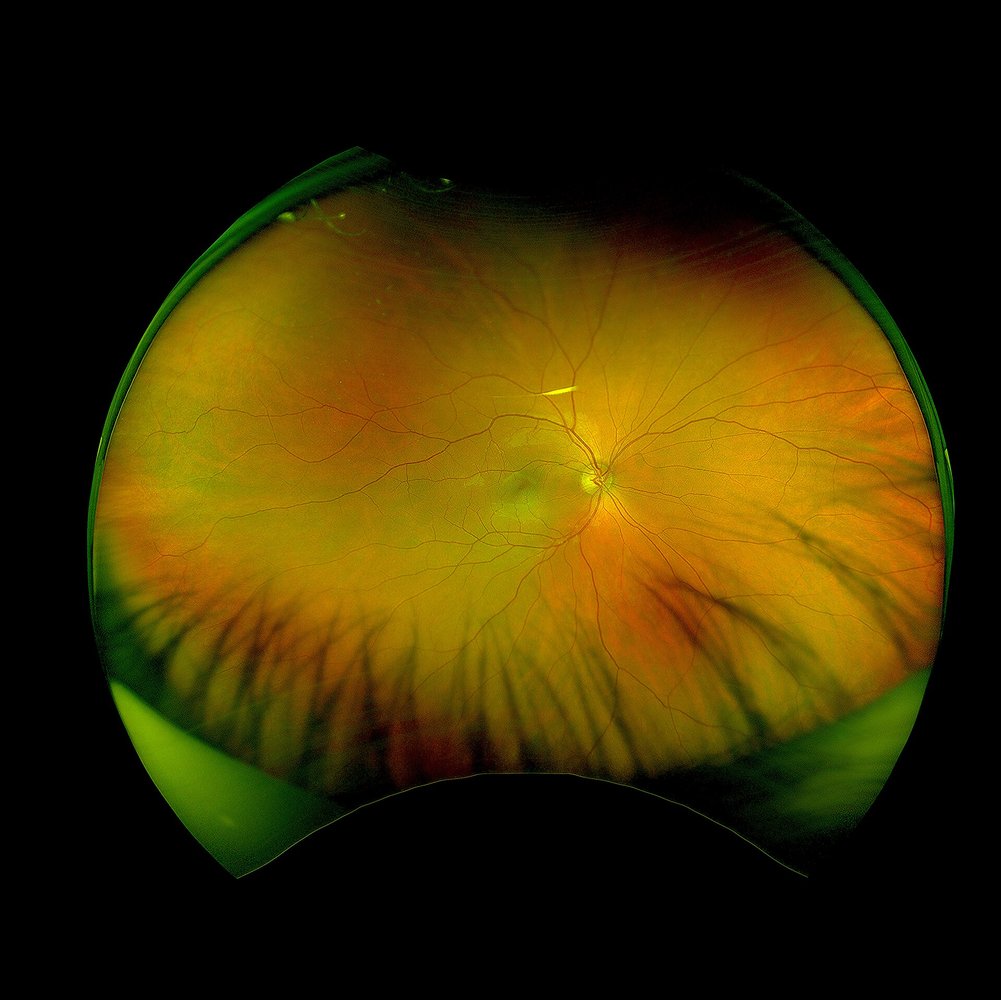
A framework identifies 35 requirements for AI adoption in England’s diabetic eye screening programme, with specialist review retained in its preferred model.
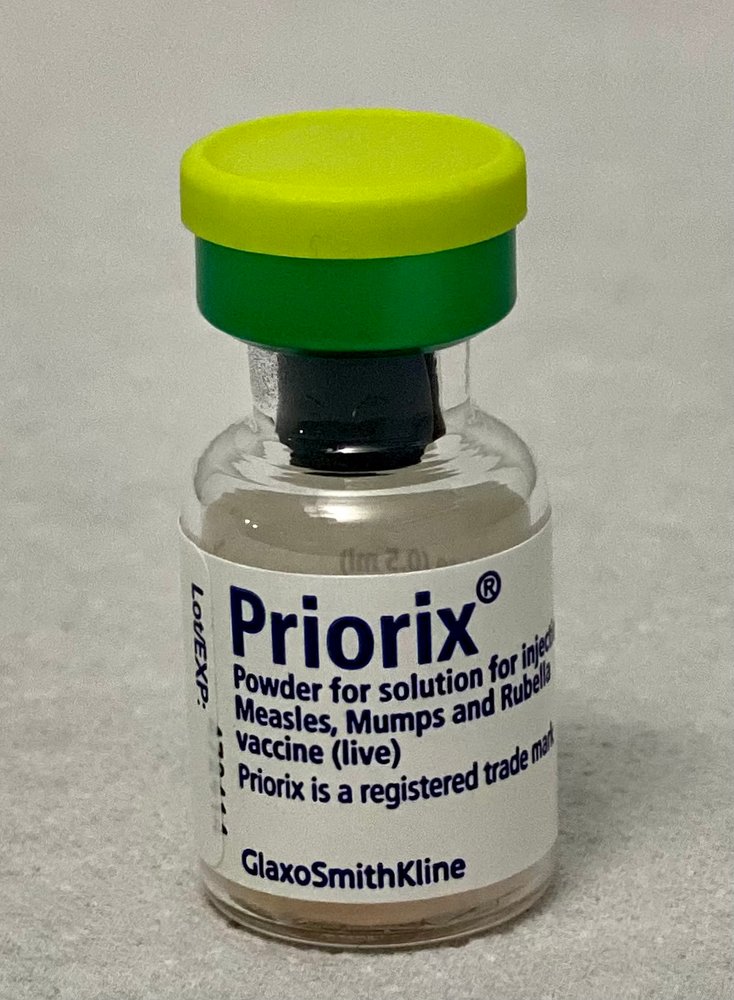
Fewer than 84% of England’s five-year-olds have received both MMR doses, against the WHO’s 95% target.
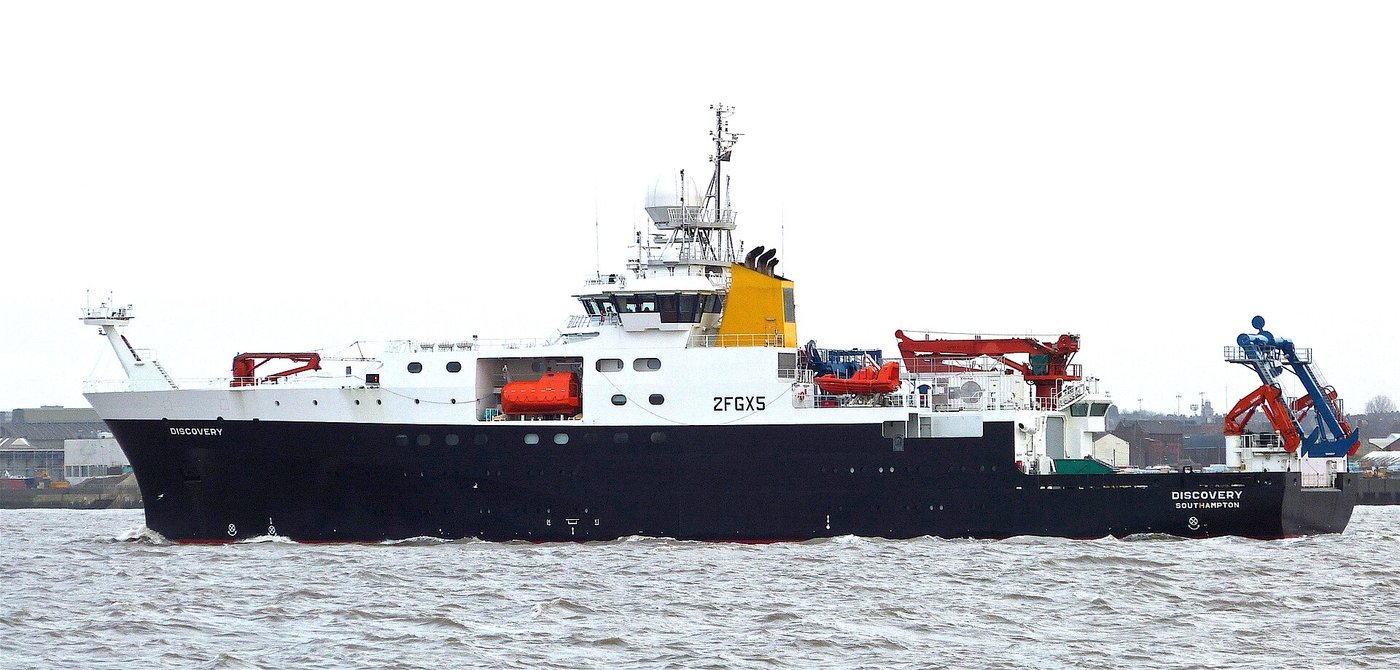
The proposed eight-year framework links ocean research infrastructure with marine engineering procurement and potential decarbonisation work.
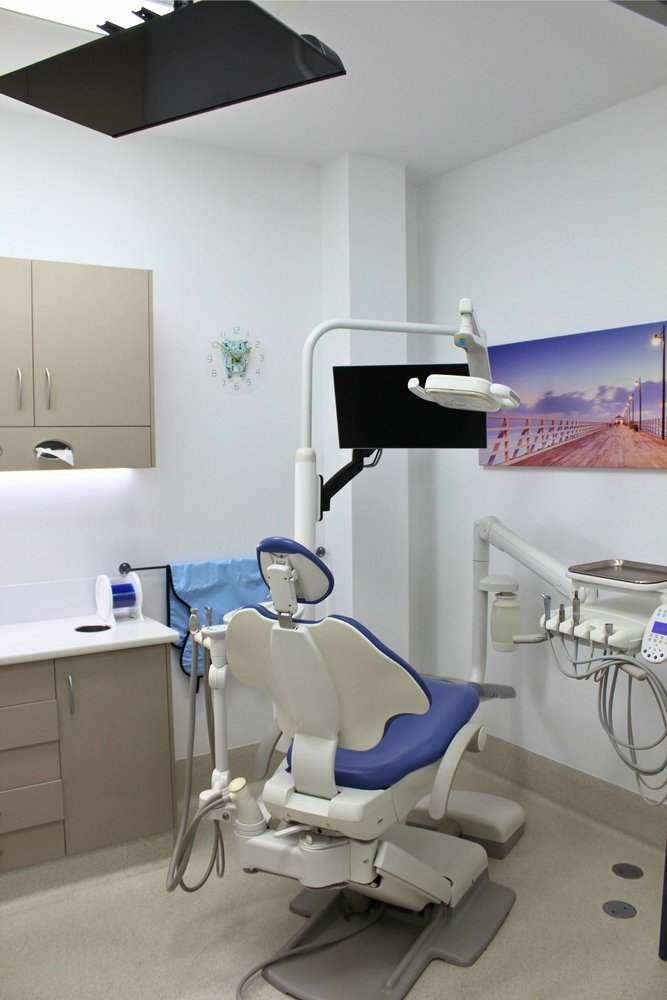
A new report links workforce renewal with the capacity to address oral health inequalities and train future dentists.

The Institute of Acoustics urges clearer noise safeguards in draft policy for Heathrow expansion.
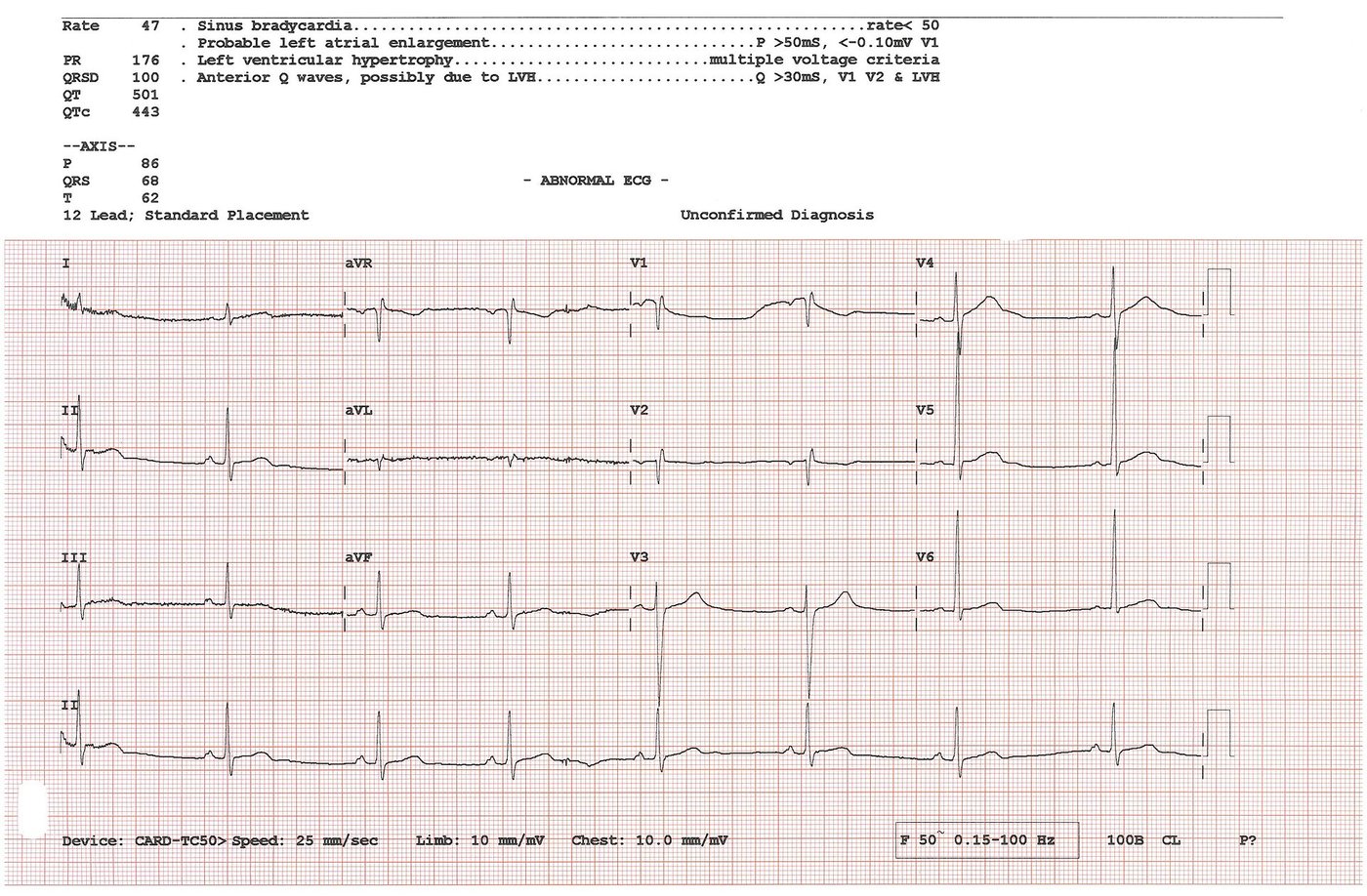
An Imperial-led model is being evaluated in 590 NHS patients after testing in two US groups.
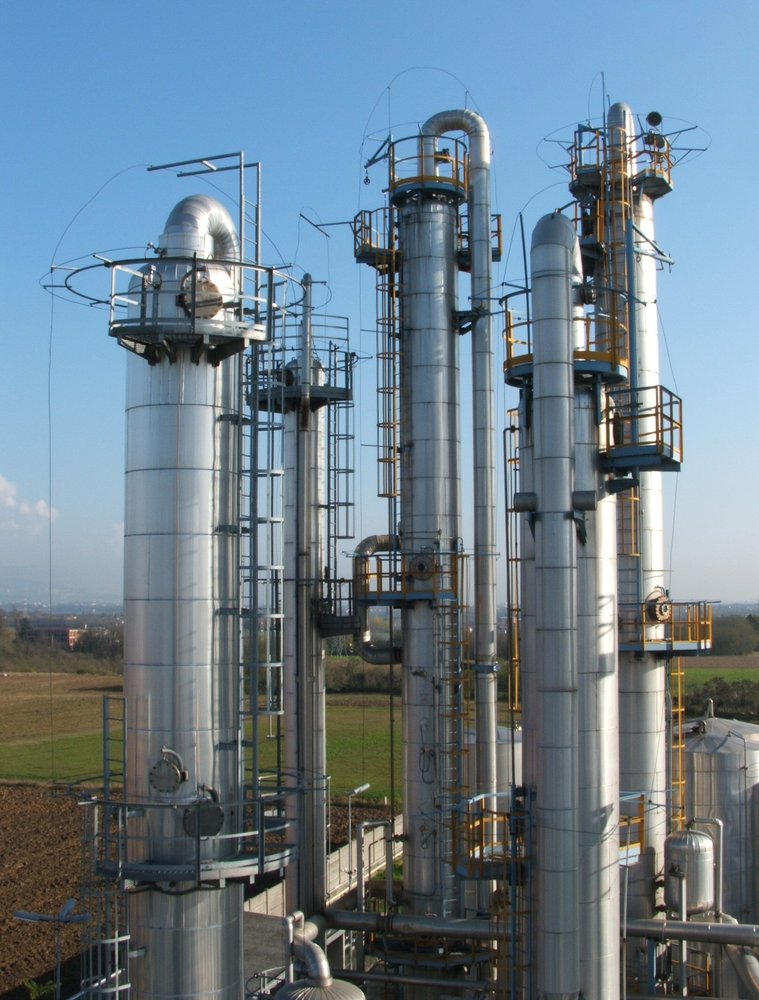
IChemE is inviting evidence on five forces reshaping chemical engineering, with submissions open until 27 November 2026.

A two-year evaluation will inform NHS commissioning recommendations for genomic testing that could identify brain tumour types within 24 hours.
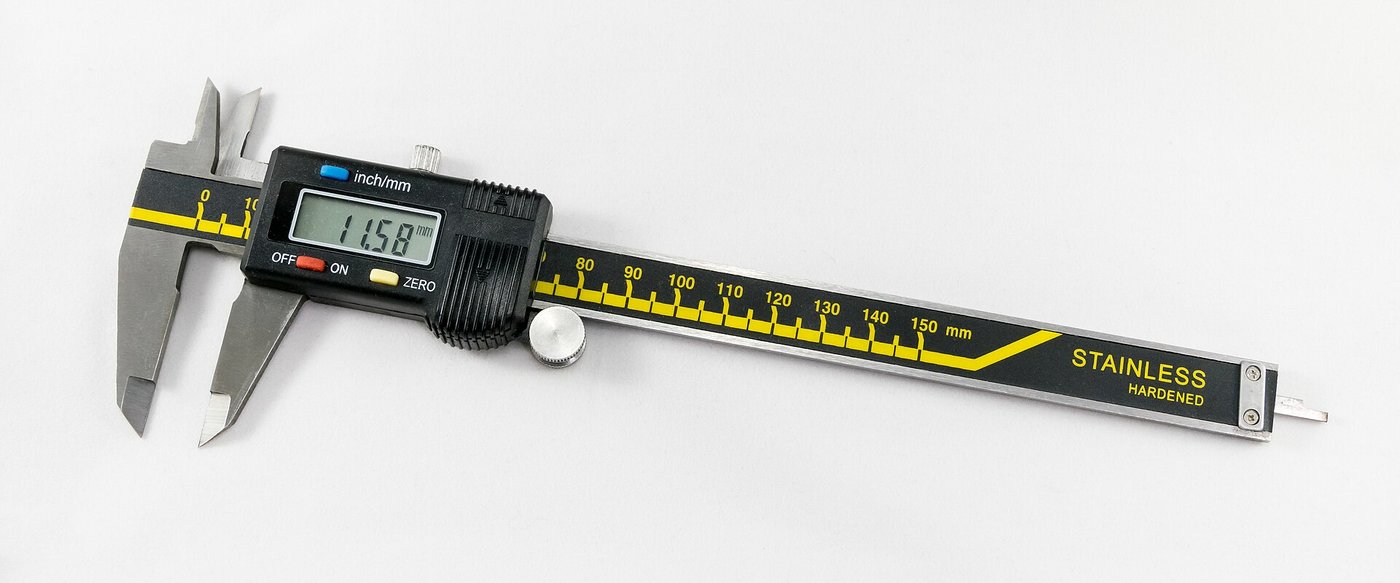
UK SMEs have until 11am on 6 October to seek support for measurement and analysis problems holding back innovation, productivity and growth.

Julia King, Baroness Brown of Cambridge, has received the Royal Academy of Engineering's President's Medal for advancing engineering's contribution to environmental sustainability and supporting future engineers.
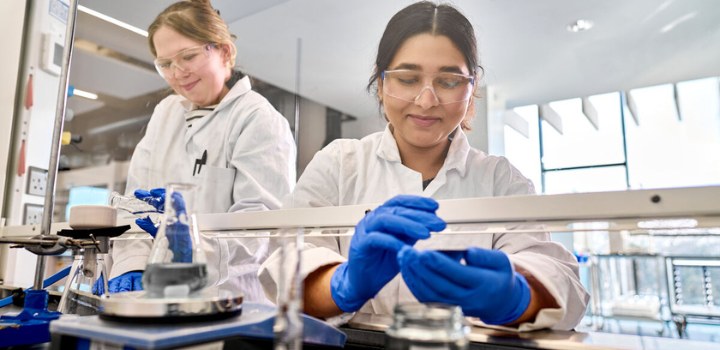
UEA has secured a share of a £90 million Medical Research Council investment supporting more than 200 doctoral researchers each year across the UK, strengthening specialist skills for future health challenges.
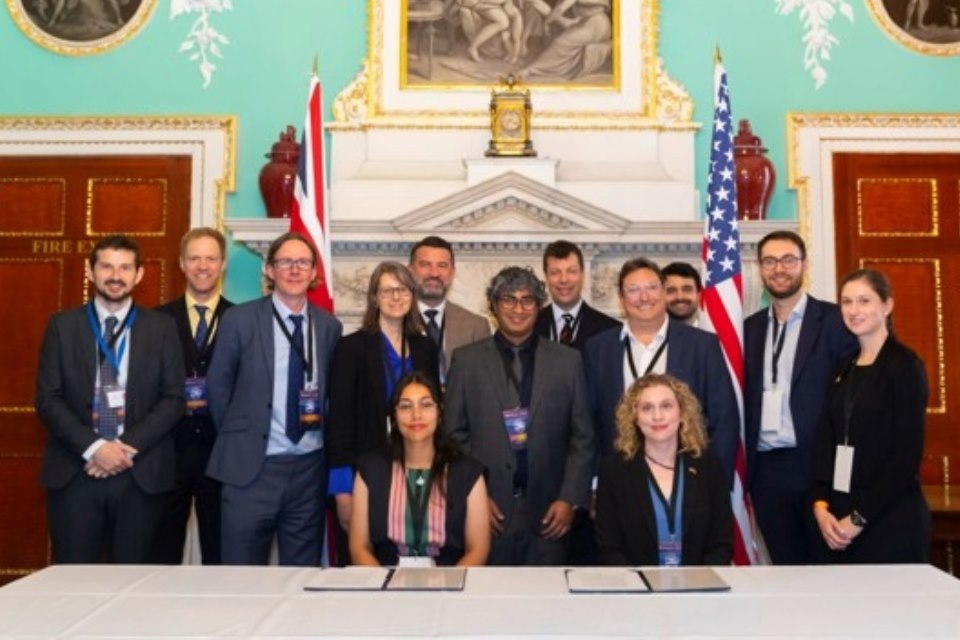
A new partnership between UK and US universities will coordinate fusion research, workforce development, commercialisation and policy, linking public research with the skills and industrial capacity needed for deployment.
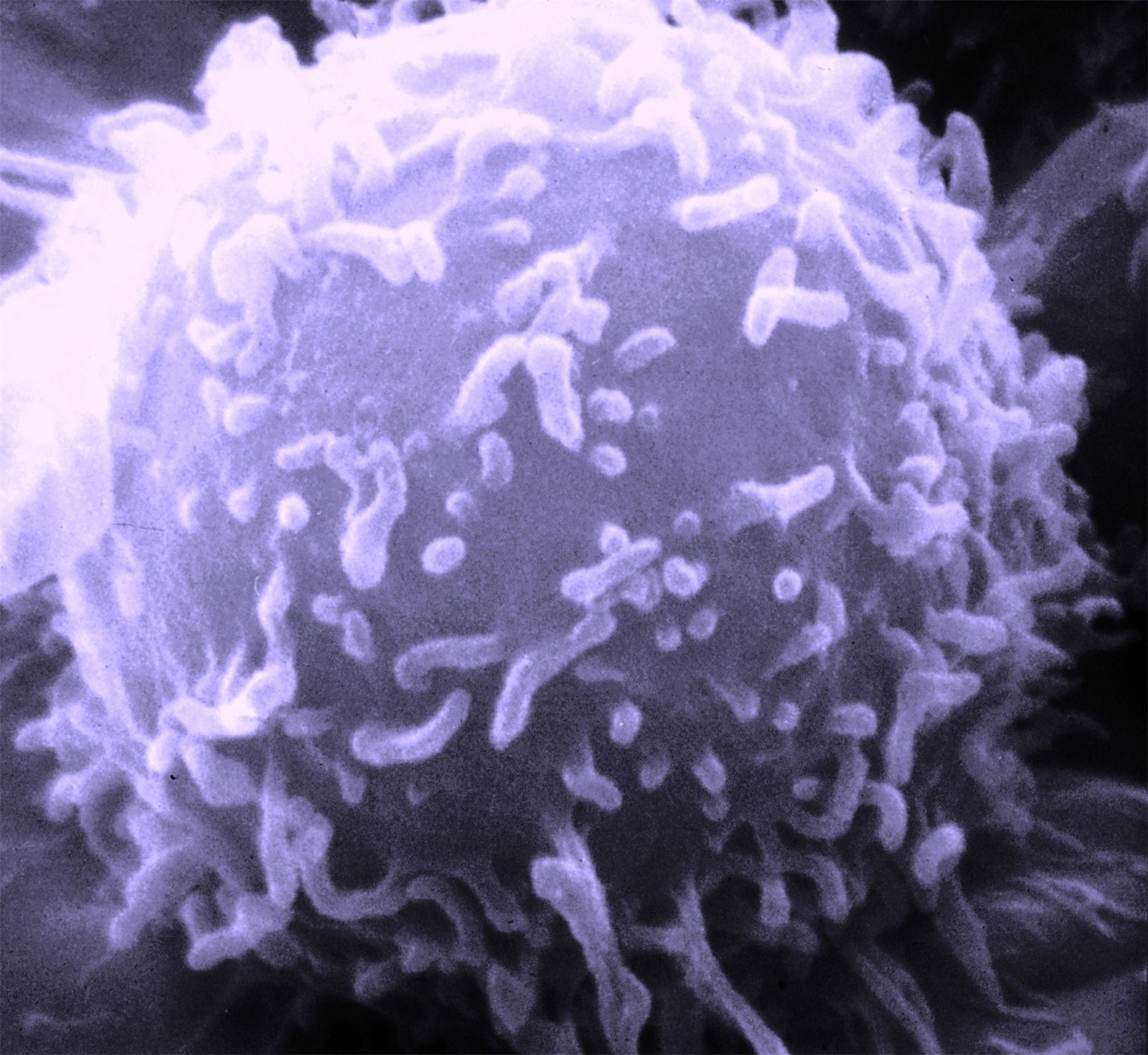
A fourteen-year, £50 million research programme will bring together scientists, clinicians and patients to develop treatments intended to cure chronic inflammatory diseases rather than continually suppress their symptoms.

A global assessment led by the National Oceanography Centre has identified almost 300,000km of coastline at potential risk from mining pollution, strengthening the case for long-term monitoring, remediation and regulation.
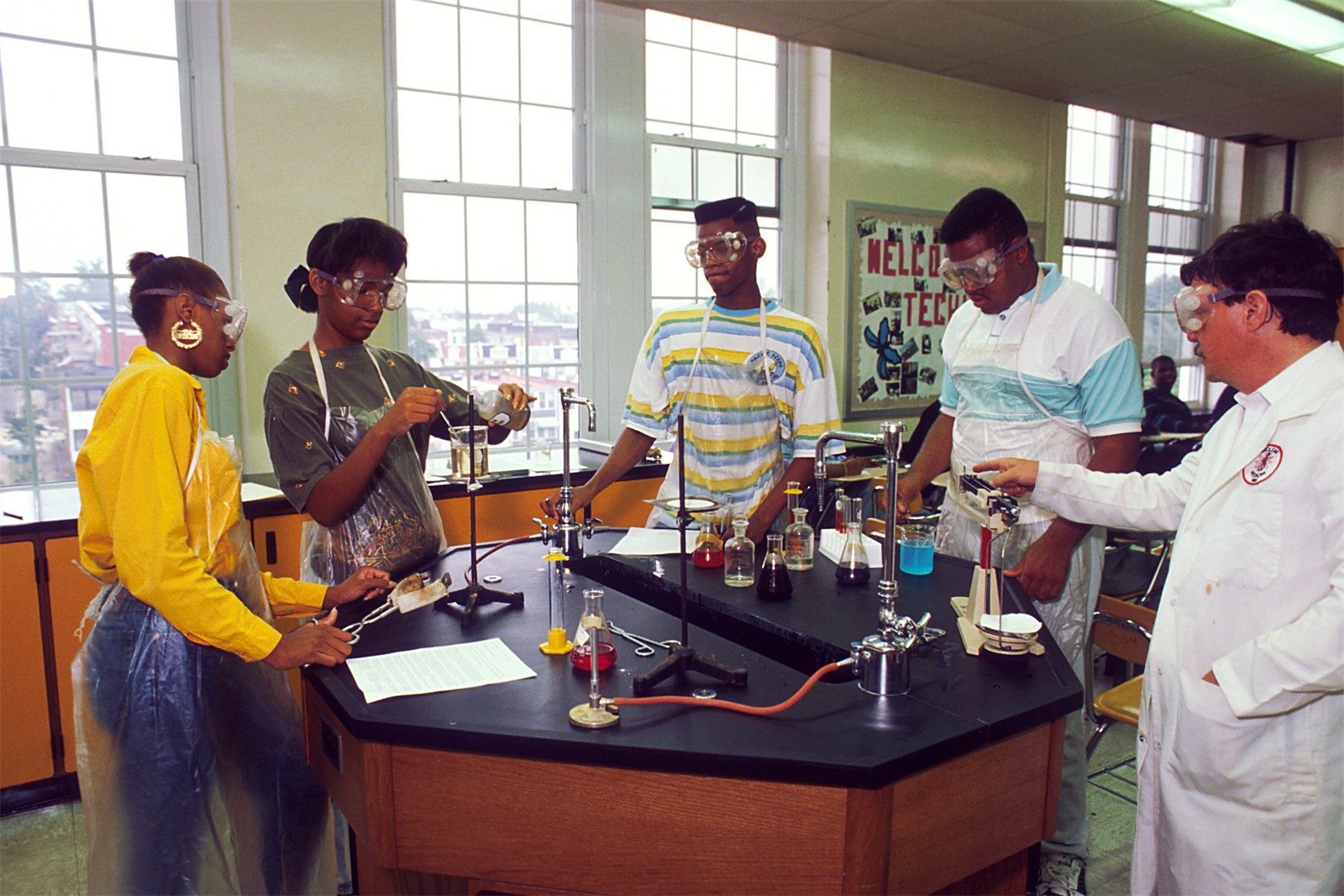
The Royal Society's new Science Community Grants will connect STEM organisations with 250 schools and colleges, combining locally relevant investigations with sustained support for teachers.
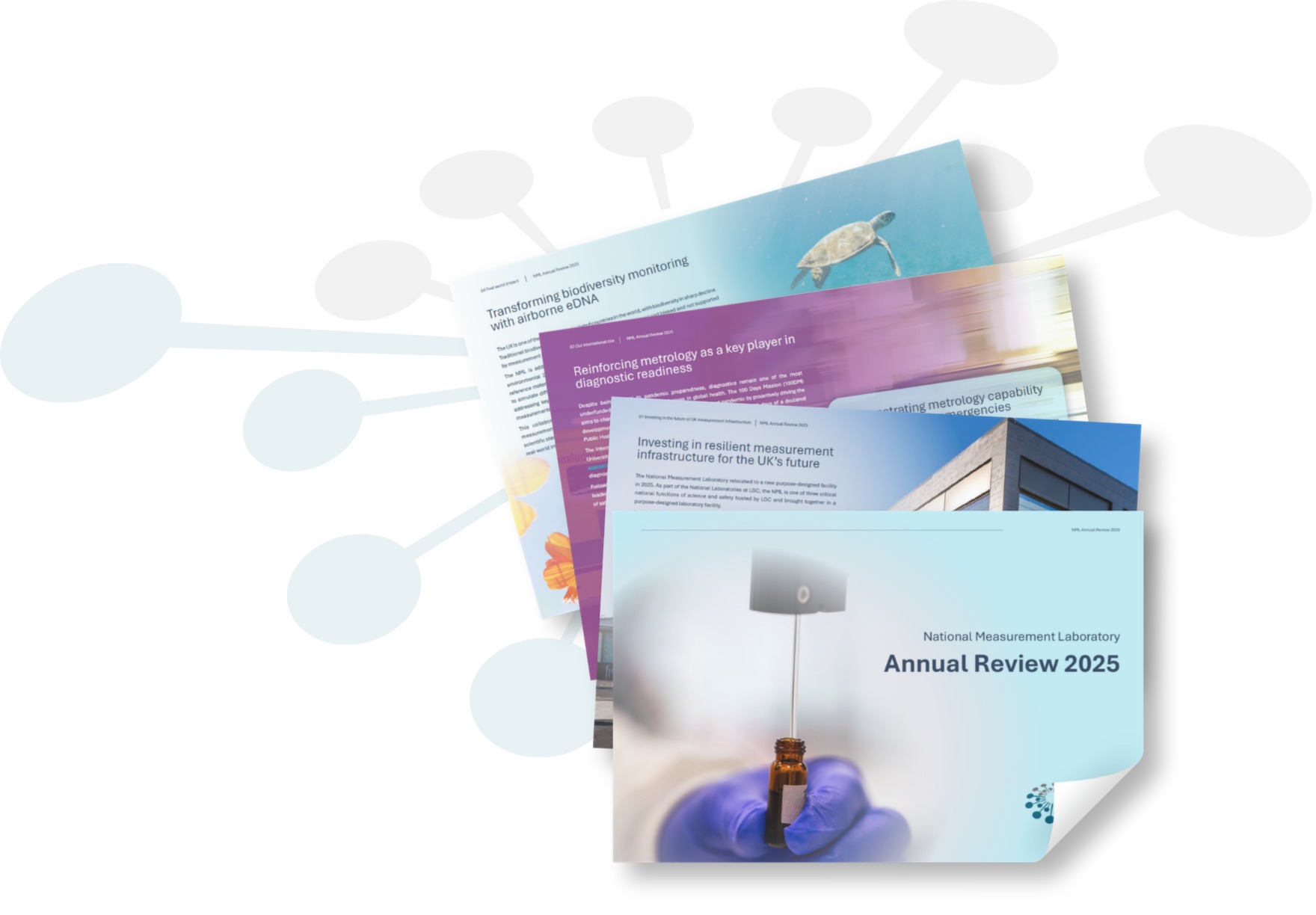
The National Measurement Laboratory Annual Review 2025 highlights new scientific infrastructure in Guildford and the role of trusted measurement science in healthcare, food, security, sustainability and UK innovation.
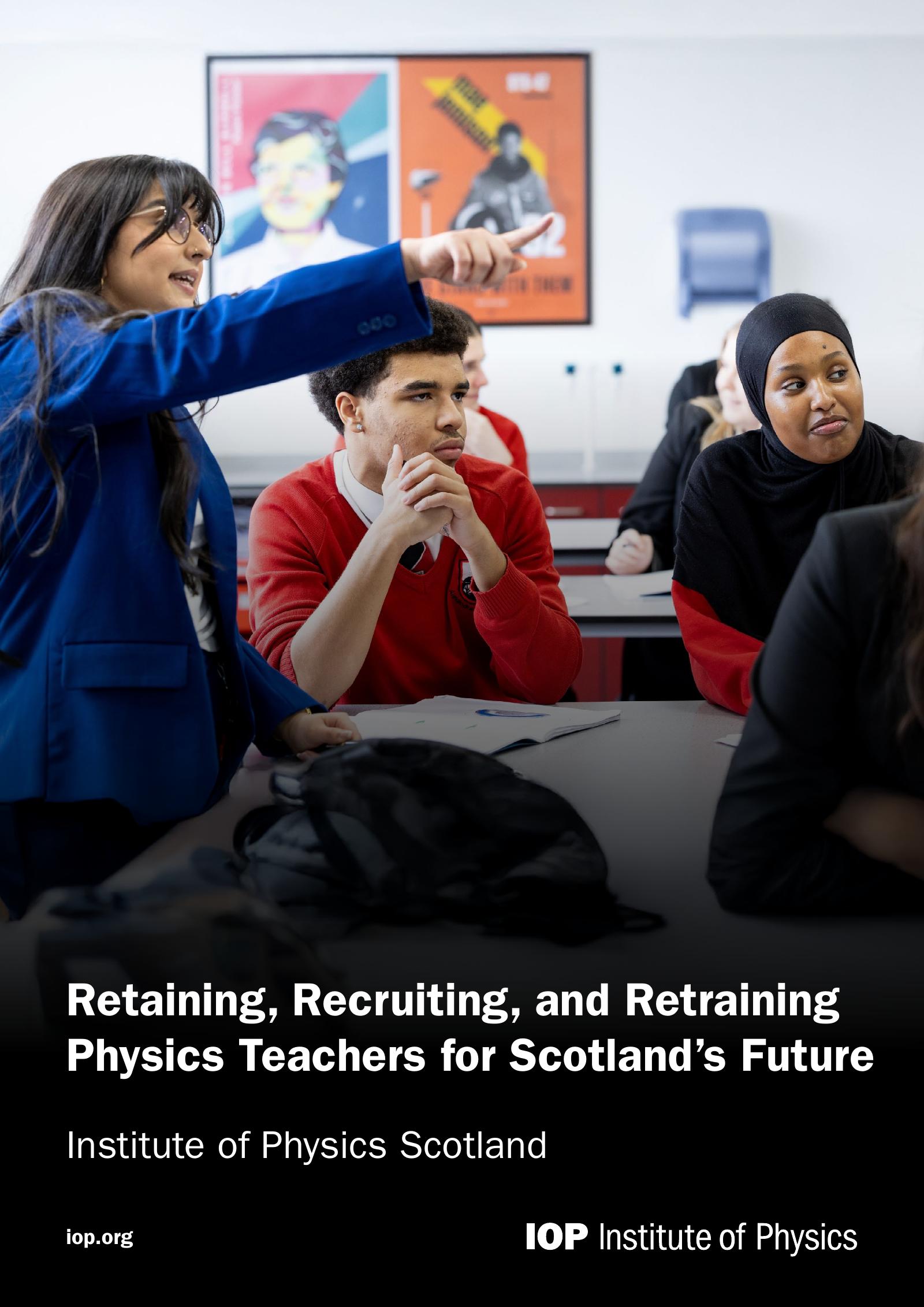
Only 28 physics teachers were recruited in Scotland against a target of 131 last year, prompting calls for coordinated action to protect equal access to physics and the country's future technical workforce.
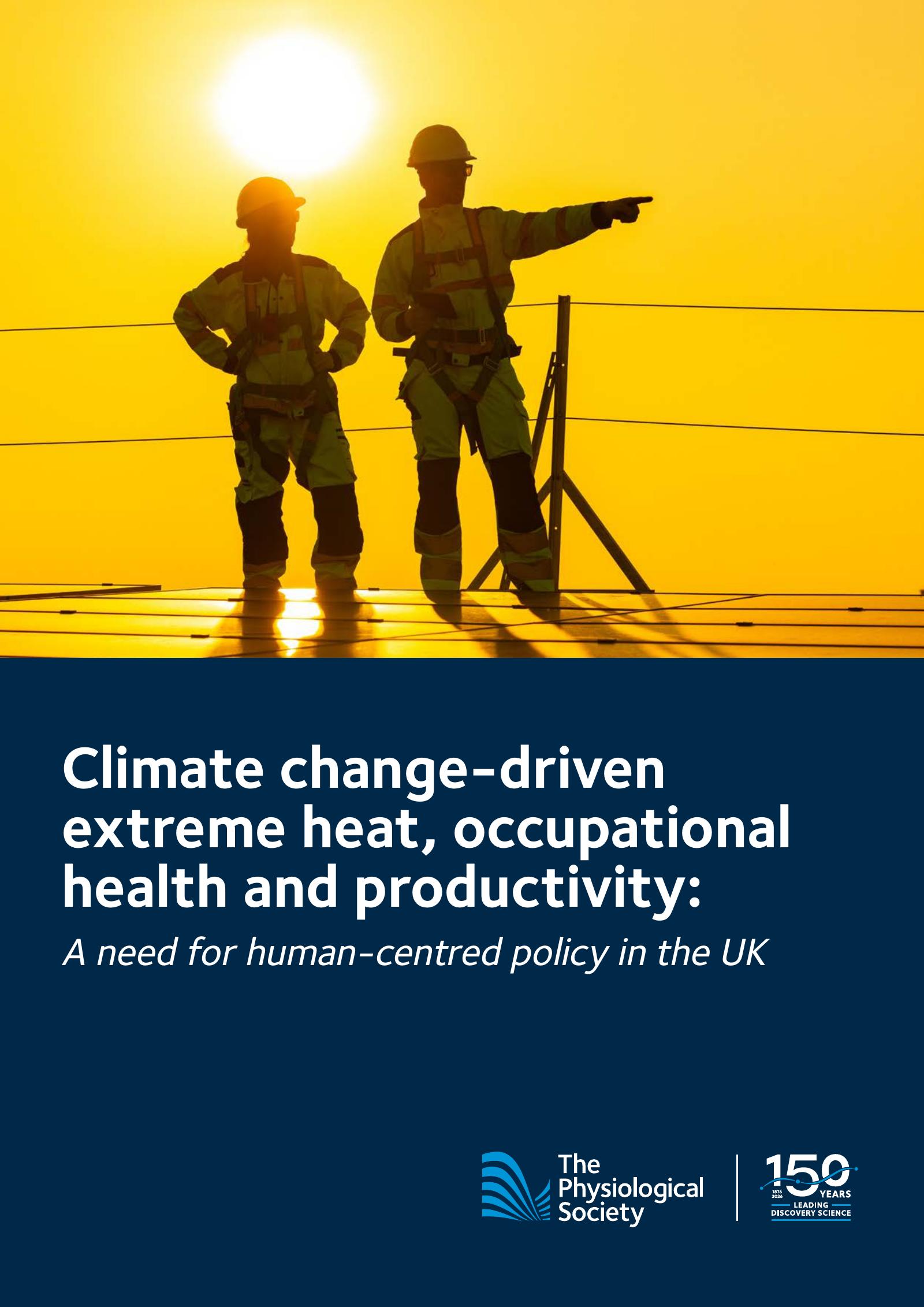
A new report argues that extreme heat is already affecting worker health, safety and economic output, and calls for updated regulation, clearer employer guidance and coordinated public-health policy.

The Bright SCIdea Challenge gives university students the opportunity to transform innovative science-based ideas into viable business plans, supported by expert training and the chance to compete for a £5,000 prize.

Colin Danson, Co-Director of OxCHEDS, has been appointed Visiting Professor of Physics at the University of Oxford, recognising decades of leadership in high-power laser science and collaborative research.
View online version

Professor Chris Rapley explores how the UK can avoid the climate policy polarisation seen elsewhere by protecting key institutions, maintaining cross-party support, and delivering tangible benefits for households.

Join experts from the Institute of Acoustics, Institution of Environmental Sciences, and UK Noise Association for an online discussion exploring the latest evidence on noise pollution and its impact on human health. Registration details available here
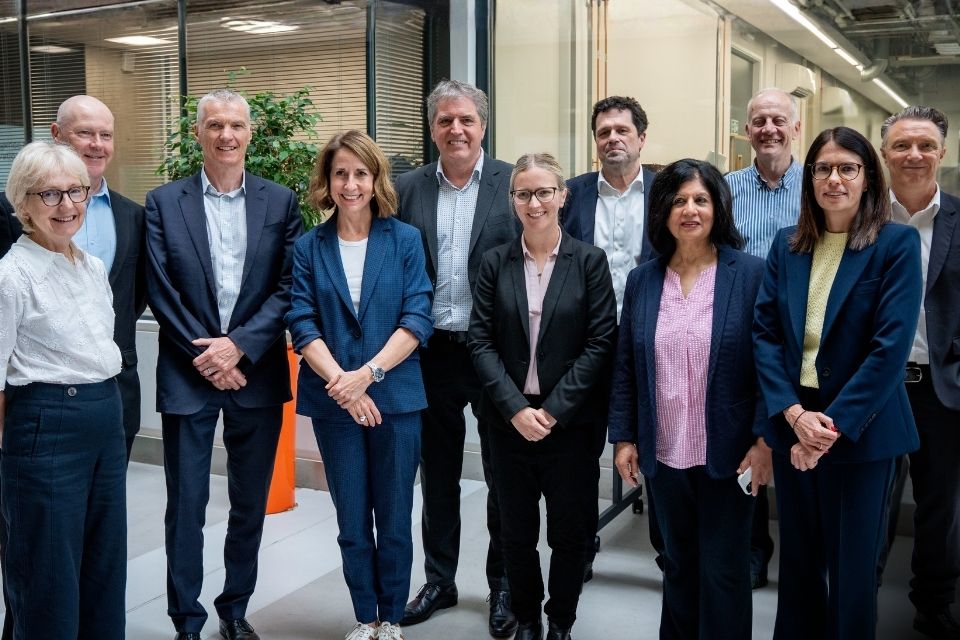
The University of Liverpool has secured more than £23.7 million in UKRI funding to deliver two major innovation programmes focused on AI-enabled materials chemistry and antimicrobial technologies, supporting research commercialisation, skills development and regional economic growth.

The UK government is seeking a new independent co-chair for the Council for Science and Technology, a senior advisory role providing expert guidance directly to the Prime Minister and Cabinet. Applications close on 29 June 2026.

A new article from The Conversation explores the concept of “Spaceship Earth” and how viewing the planet as a shared system with finite resources could shape discussions around sustainability, resilience, and environmental governance.

The Chartered Institute of Patent Attorneys’ 2025 Annual Report highlights the growing importance of intellectual property policy, innovation protection, and professional expertise in supporting the UK’s science and technology sectors.

The British Society of Soil Science has released its 2025 Annual Report, highlighting record membership growth, major educational initiatives, and the vital role of soil science in supporting sustainability, climate resilience, and environmental policy.
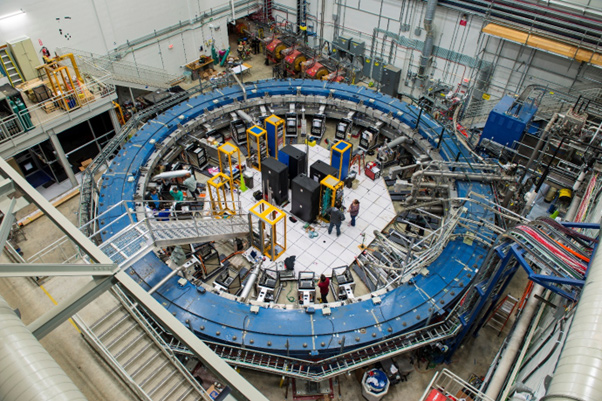
The Muon g-2 experiment has earned the Breakthrough Prize in Fundamental Physics, spotlighting intriguing evidence that could challenge the Standard Model and open the door to new physics.

The Academy of Medical Sciences is strengthening support for early-career researchers, calling for reforms to funding, mentorship, and career stability to safeguard the future of UK biomedical research.
View online version

New research reveals that how you phrase a question to AI can shape the answer you get—offering a simple technique to reduce bias and improve accuracy.

A £50m UKRI initiative will harness AI, community insight, and cutting-edge research to tackle knife crime, violence against women and girls, and rebuild trust in policing across the UK.

Edinburgh is deepening its global scientific partnerships, using city-level collaboration to drive innovation, tackle shared challenges, and boost economic and research impact worldwide.

A new Mersey Maritime initiative from LJMU aims to drive innovation, sustainability, and skills development—positioning Liverpool at the forefront of the UK’s evolving maritime sector.
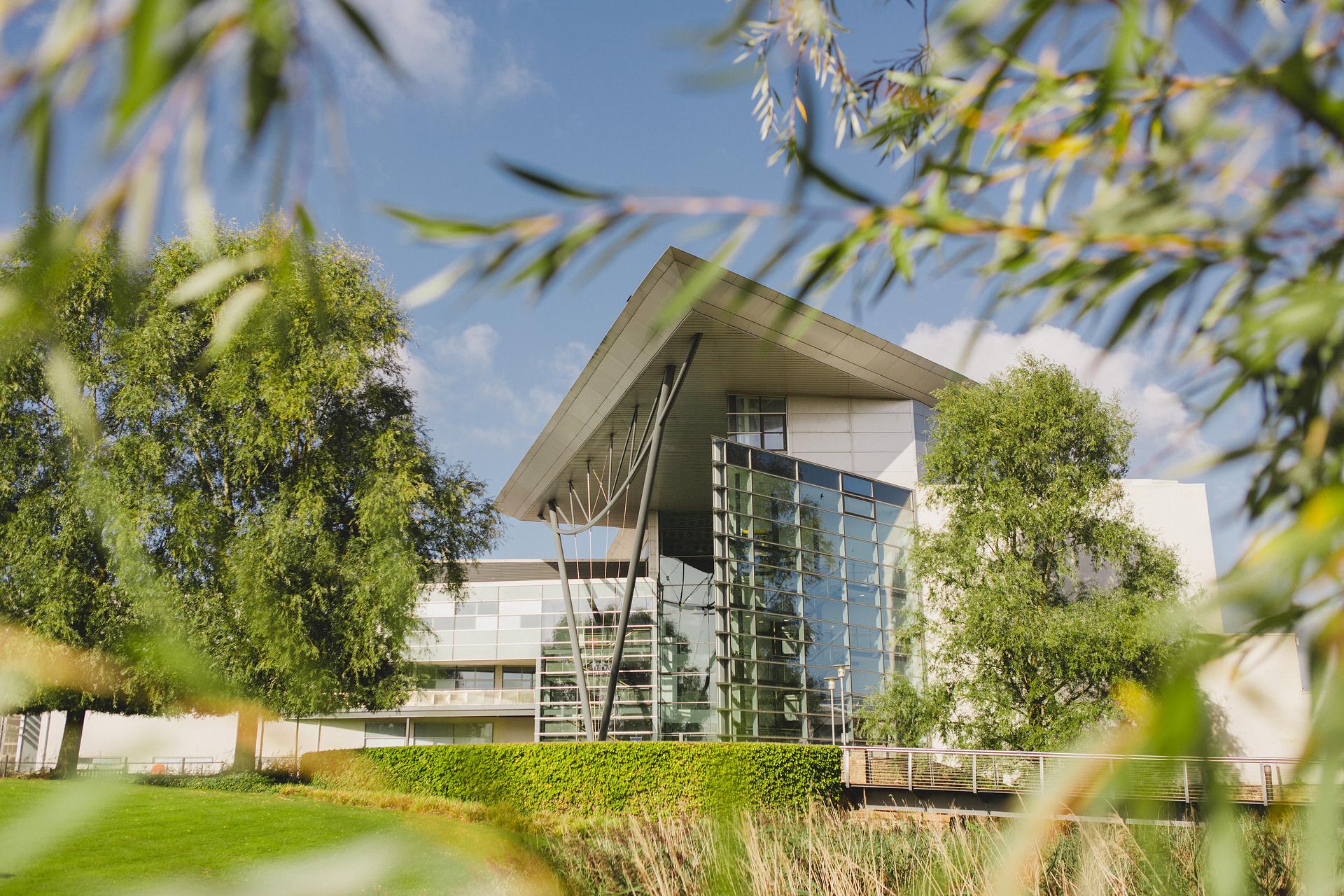
A new partnership between the University of Plymouth and the Met Office is redefining how meteorologists are trained—preparing a new generation to tackle climate change and extreme weather with cutting-edge tools and real-world expertise.
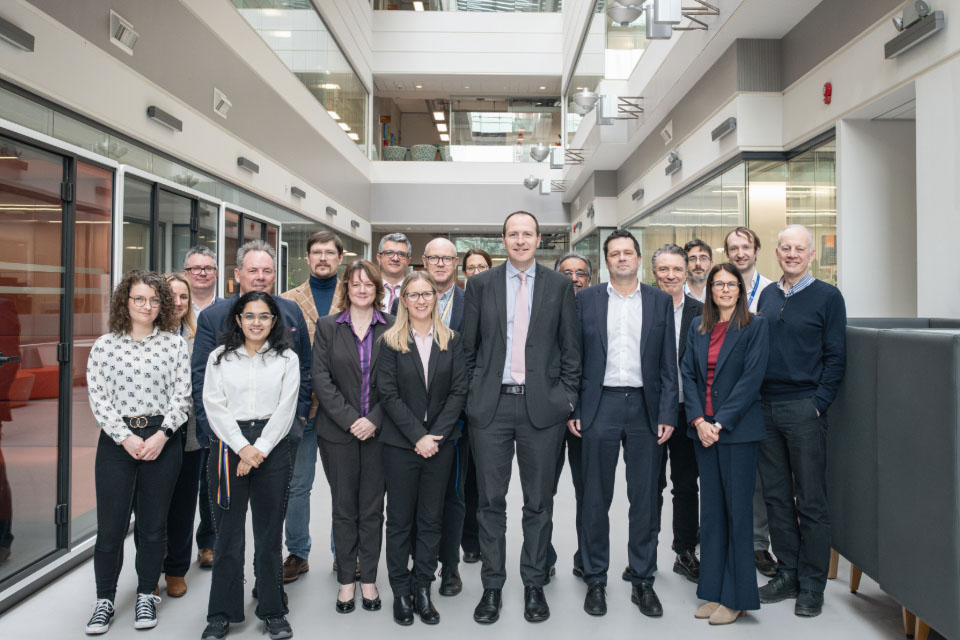
The University of Liverpool highlights how AI is revolutionising materials science, showcasing breakthroughs in faster discovery and sustainable innovation during a high-profile UKRI visit.
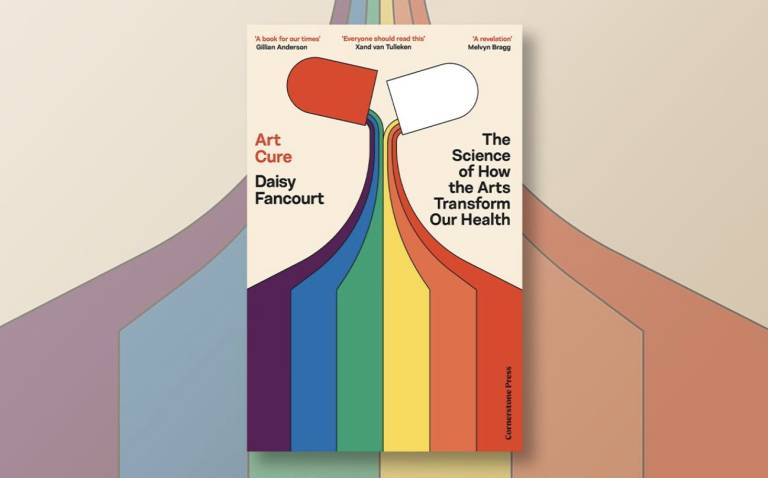
A UCL professor’s shortlisting for the Women’s Prize for Non-Fiction spotlights the growing influence of academic research in shaping public debate and advancing evidence-based storytelling.
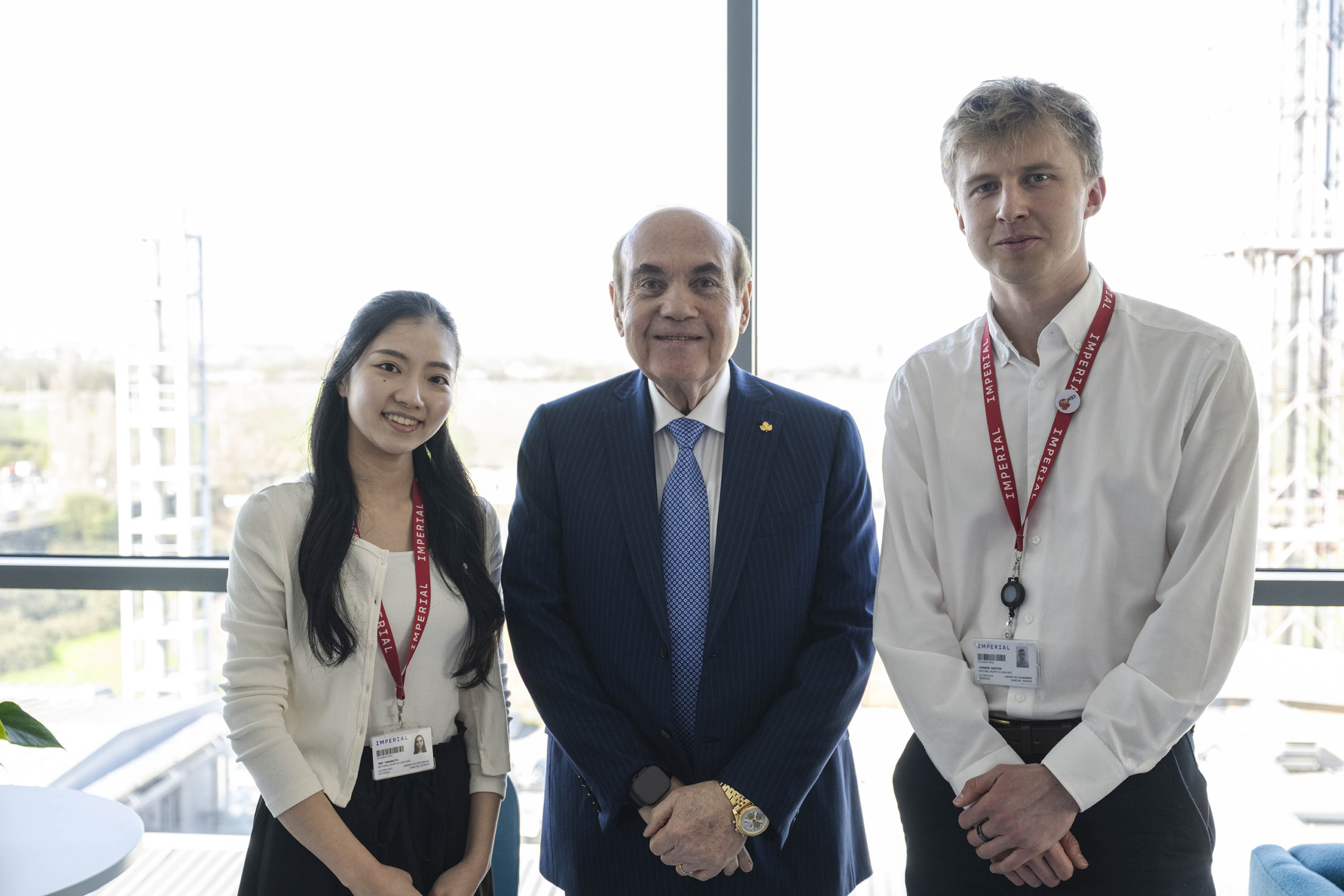
A groundbreaking new research facility at Imperial College London is set to transform heart and lung medicine through collaboration, innovation, and cutting-edge technology.
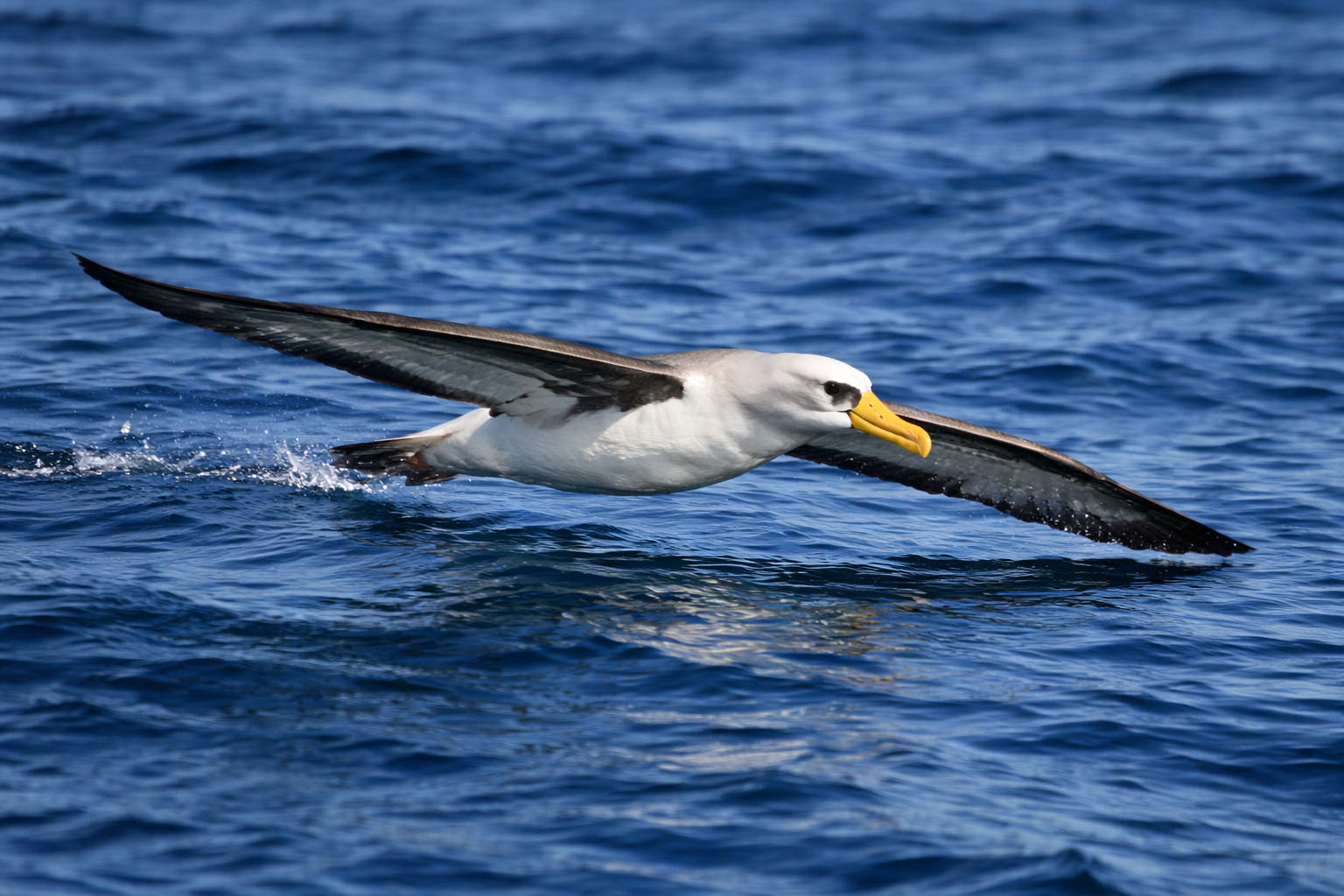
Seabirds navigating thousands of miles without GPS are inspiring a new wave of resilient navigation technology, offering solutions to modern vulnerabilities in satellite-based systems.
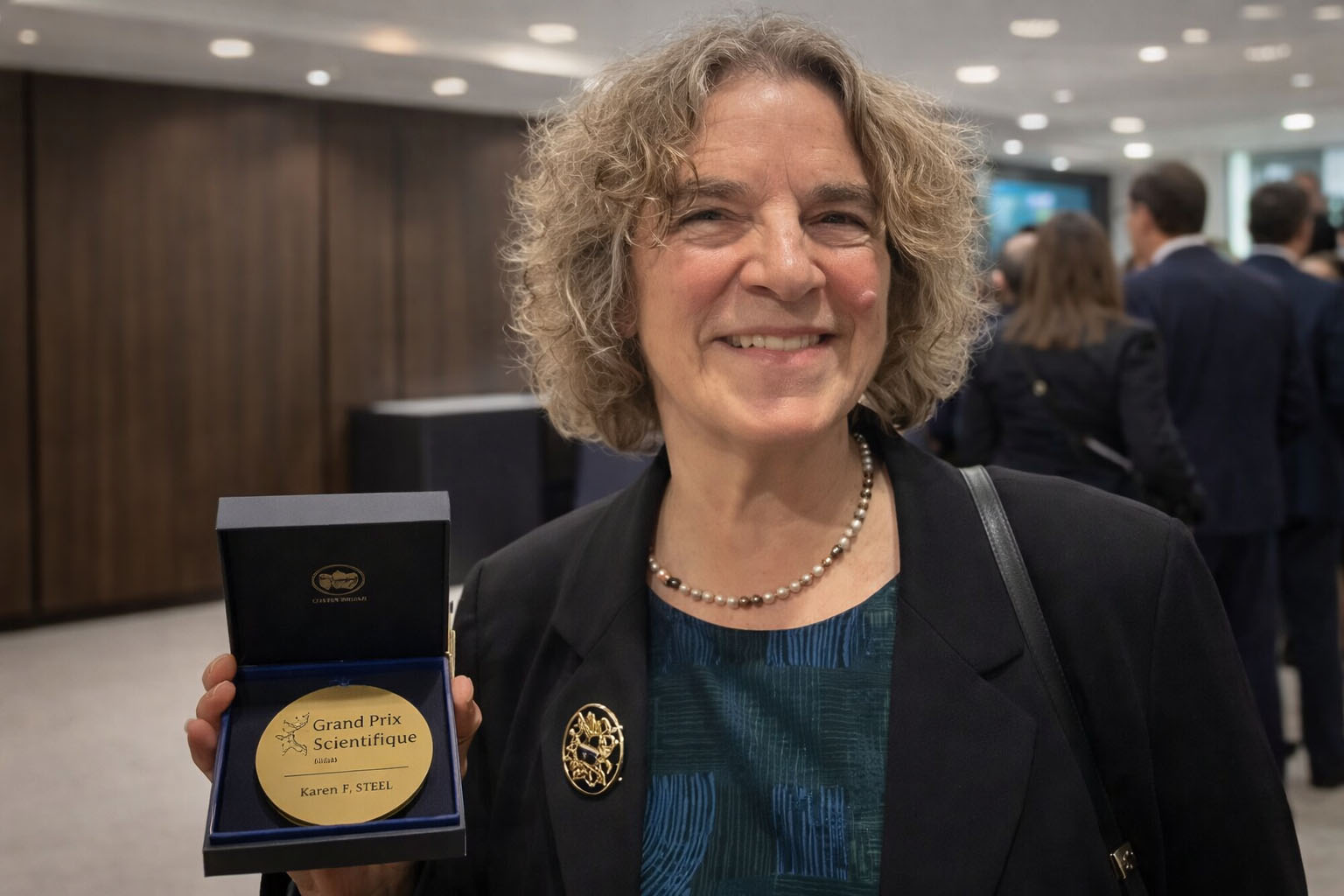
Professor Karen Steel receives a major international award for her groundbreaking research into the genetics of hearing loss, marking a significant milestone in auditory science.